
Welcome to our Community Q and A, created specifically for homeowners, contractors, and property managers in Houston, TX. Here you’ll find expert answers to common questions about trenching, tunneling, excavation, and underground utility services based on real projects across the greater TX area. From soil conditions and permitting to repair methods and project timelines, our goal is to provide clear, reliable information that helps you make confident decisions for your property and construction needs.
Answers provided by experienced trenching and underground utility professionals.
Quick Answers About Trenching & Underground Services
What is trenching?
Trenching is a construction method used to open narrow paths in the ground for underground work.
What is tunneling?
Tunneling is a technique used to reach underground utilities without disturbing the surface.
Do I need a permit for excavation?
Most excavation projects require permits based on local regulations and scope of work.
How long do trenching projects take?
Project timelines vary, but many trenching jobs are completed within a few days.
Common Trenching Questions in Houston
What is trenching used for?
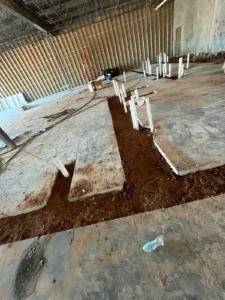
Trenching is a surface excavation method used to create open access paths in the ground.
How deep are trenches usually dug?
Trench depth depends on utility type. Water and sewer lines are usually 12–36 inches deep, while drainage or specialty lines may be deeper depending on local building codes.
Is trenching safe near slab foundations?
Yes, professional contractors plan for soil movement and structural loads to prevent damage to slab foundations during trenching.
How long does a trenching project usually take?
Most trenching projects take 1–3 days, depending on trench length, soil type, inspections, and permit requirements.
Tunneling Services Questions
What is the difference between trenching and tunneling?
Trenching is surface excavation, while tunneling is done under slabs or foundations without breaking floors. Tunneling is ideal for under-slab plumbing repairs.
When should tunneling be used instead of trenching?
Tunneling is best when utilities are beneath concrete slabs or foundations, allowing repairs without disturbing floors or landscaping.
How do contractors access utilities for tunneling?
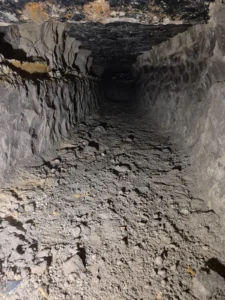
Contractors use small access holes and hand-dig tunnels to reach underground lines safely, protecting structures above.
Is tunneling more expensive than trenching?
Tunneling can cost more due to specialized labor and equipment, but it prevents floor demolition and property damage, saving long-term costs.
Underground Utility Services Questions
What types of utilities require trenching or tunneling?
Water, sewer, gas, drainage, and electrical conduits are the most common underground utilities that require excavation or tunneling.
How are underground utilities accessed for repair?
Contractors use trenching or tunneling methods depending on site conditions and structure limitations.
Can gas lines be safely replaced underground?
Yes, licensed professionals follow strict safety procedures including gas shutoff, leak testing, ventilation control, and regulated excavation practices.
How do contractors locate underground utilities before digging?
Contractors use utility locating services and advanced scanning tools to prevent damage and ensure safety.
Plumbing Assistance Questions
What kind of plumbing problems require excavation?
Excavation may be needed when underground pipes such as water, sewer, or gas lines become damaged, collapsed, or severely corroded. Accessing these pipes often requires trenching or tunneling to repair or replace them safely.
How do plumbers work with trenching contractors?
Plumbers identify the issue, while excavation teams prepare the work area so repairs can be performed safely.
When should I call a professional plumbing excavation service?
When plumbing issues indicate underground pipe damage that cannot be reached directly.
Can underground plumbing repairs be done without damaging my property?
Yes, experienced contractors plan excavation carefully and may use trenchless or tunneling methods to minimize disruption to landscaping, driveways, or structures.
Concrete Removal Questions
What is concrete removal?
Concrete removal is the process of breaking, cutting, or demolishing concrete structures such as driveways, slabs, or sidewalks to access underlying areas or prepare for new construction.
What are the methods of concrete removal?
Common methods include saw cutting, jackhammering, and controlled demolition. The method used depends on the thickness of the concrete and the surrounding structures.
What equipment is used for concrete removal?
Concrete removal typically uses saws, jackhammers, and controlled cutting tools depending on the structure.
When is concrete removal required for excavation?
Concrete removal is needed when utilities are located beneath driveways, sidewalks, or slabs.
How long does concrete removal usually take?
Smaller projects may take a few hours, while larger areas can take a full day, depending on thickness and site conditions.
Sewer Repair Questions
What is sewer repair?
Sewer repair is the process of fixing damaged, leaking, or blocked sewer lines using excavation, tunneling, or trenchless methods to restore proper wastewater flow.
What causes sewer line failure?
Tree roots, corrosion, and soil movement are common causes.
How do contractors repair damaged sewer lines?
Professionals first locate the problem area using inspection tools, then excavate or tunnel to access the pipe and repair or replace the damaged section.
How long does sewer repair typically take?
Many sewer repairs can be completed within one to two days, depending on the severity of the damage and accessibility of the pipe.
Sewer Replacement Questions
What is sewer line replacement?
Sewer line replacement is the process of removing a damaged or failing sewer pipe and installing a new one to restore proper wastewater flow and prevent ongoing issues.
How do you know if a sewer line needs to be replaced?
Common signs include frequent backups, slow drains, foul odors, and visible ground issues like soggy or sunken areas that indicate pipe failure.
When does a sewer line need to be replaced instead of repaired?
Replacement may be necessary when pipes are severely corroded, collapsed, or repeatedly failing due to age or structural damage.
How is a sewer line replacement performed?
The damaged pipe is removed and replaced with a new system designed to improve long-term performance and reliability.
How long does a sewer replacement take?
Most sewer replacement projects take one to three days, depending on pipe length, soil conditions, and required inspections.
Gas Line Replacement Questions
What is a gas line?
A gas line is a pipe that delivers natural gas or propane from the main supply to appliances such as stoves, water heaters, and furnaces.
When should a gas line be replaced?
Gas lines should be replaced if leaks, corrosion, or safety risks are detected.
How do contractors detect gas line issues underground?
Technicians use specialized detection tools and pressure testing to locate leaks or damage in underground gas lines.
How are gas pipes replaced?
Gas pipes are replaced using controlled procedures that prioritize safety, system testing, and compliance with regulations.
Is underground gas line replacement safe?
Yes, licensed professionals follow strict safety procedures including gas shutoff, ventilation, and careful excavation to ensure the replacement is completed safely.
How much does it cost to replace a gas line?
Costs vary based on project conditions and require a professional assessment.
Can you replace a gas line yourself?
No, gas line replacement should only be handled by licensed professionals due to safety risks and local code requirements.
Water Line Replacement Questions
What is a water line replacement?
A water line replacement is the process of removing a damaged or aging underground water pipe and installing a new one to restore proper water flow and prevent leaks.
When should a water line be replaced?
A water line should be replaced when it shows signs of corrosion, frequent leaks, low water pressure, or has reached the end of its lifespan.
What are signs of water line failure?
Low pressure, high bills, and wet spots indicate possible water line issues.
How is a water line replaced?
A new pipe is installed to restore proper water flow and prevent leaks, based on the condition and location of the existing line.
How much does it cost to replace a water line?
Pricing depends on site conditions and project scope.
Can you replace water supply lines?
Yes, professionals can replace underground water supply lines to restore proper water flow and ensure the system meets current plumbing standards.
Demolition Services Questions
When is demolition required for underground utility projects?
Demolition is required when structures or large obstructions must be removed to reach underground systems.
What types of demolition are used for excavation projects?
Contractors may perform selective demolition, concrete cutting, or small structural removal depending on the project requirements.
How do contractors ensure demolition is done safely?
Professional demolition teams follow safety procedures, secure the work area, and use controlled methods to prevent damage to nearby structures.
Can demolition and excavation be done in the same project?
Yes. Many underground utility repairs require both demolition and excavation to fully access and repair the affected systems.
What is demolition used for in underground utility work?
Demolition is used to remove larger structures or structural obstructions that prevent access to underground systems.
What equipment is used for demolition in excavation projects?
Contractors typically use concrete saws, jackhammers, hydraulic breakers, and controlled cutting tools for precise removal.
Permits, Safety & Inspections Questions
Do I need a permit for trenching?
Yes, most projects involving utilities or public right-of-way require permits and inspections according to local regulations.
What inspections are required after trenching?
Inspections may include soil compaction, utility line placement, and safety compliance before backfilling.
How do I ensure trenching is safe in clay soil?
Contractors use shoring, proper compaction, and drainage planning to prevent trench collapse and protect surrounding structures.
Are there special rules for working near streets or sidewalks?
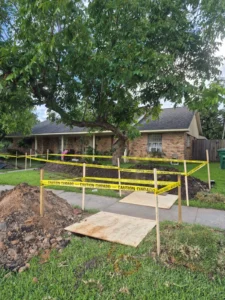
Yes, right-of-way permits and traffic control measures are often required to maintain safety and comply with city codes.
Project Planning & Cost Questions
How do I know whether my project needs trenching or tunneling?
A site inspection by a professional determines the best method based on utility location, soil, structures, and project size.
What factors affect the cost of trenching?
Cost depends on soil type, trench length, utility type, permits, inspections, and restoration needs.
How does weather impact trenching projects?
Heavy rain can delay excavation, affect soil stability, and require extra safety precautions.
Can multiple utilities be installed in the same trench?
Yes, but contractors must follow codes for spacing and separation to ensure safety and accessibility.