• Your Trusted 24 Hours Service Provider!

Collapsed Pipe Under Slab: Signs, Causes, and Best Repair & Replacement Options

A collapsed pipe under slab is one of the most serious plumbing issues a homeowner can face. It often leads to hidden leaks, structural damage, and costly repairs if ignored. Understanding the warning signs, causes, and repair options helps you act quickly and choose the right solution before the problem worsens.

How To Tell If You Have a Collapsed Pipe Under Slab

Early Warning Indicators

A collapsed pipe under slab usually starts with subtle signs before becoming severe:

  • Slow drains throughout the home
  • Frequent backups in multiple fixtures
  • Gurgling sounds from toilets or drains

Advanced Symptoms

  • Sewage odors inside the house
  • Water is pooling near the foundation
  • Sudden increase in water bills

Signs You Have a Collapsed Sewer Pipe Under a Slab

Indoor Signs

  • Cracks in walls or flooring
  • Mold growth due to hidden moisture
  • Uneven or warm spots on the floor

Outdoor Signs

  • Sinkholes or soft soil near the home
  • Lush green patches in specific areas
  • Foundation movement

Other Common Warning Signs of a Collapsed Sewer Line

A collapsed drain pipe under slab may also cause:

  • Recurring clogs despite cleaning
  • Multiple drain failures at once

What Causes a Pipe to Collapse Under a Slab?

Aging Pipe Materials

Older pipes like cast iron or clay weaken over time, leading to a collapsed pipe under slab.

Soil Movement and Pressure

Shifting soil beneath your foundation creates pressure that can crush pipes.

Tree Root Intrusion

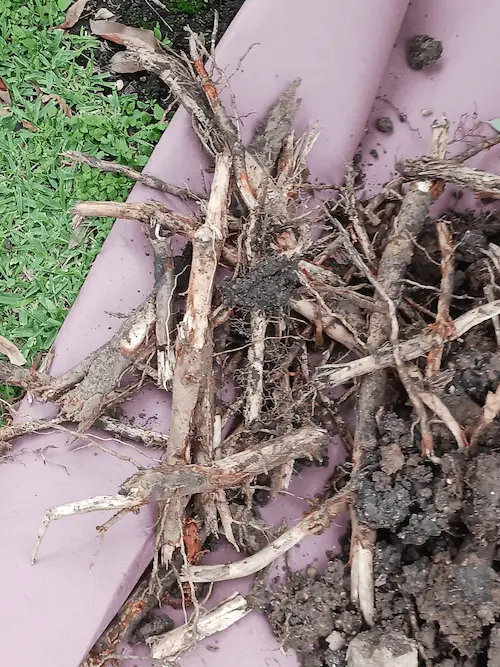
Roots invade pipes, expand, and eventually cause structural failure.

Poor Installation

Improper alignment or low-quality materials increase the risk of collapse.
What To Do If You Have a Sewer Pipe Collapsed Under Slab

Immediate Steps

  • Stop using water to prevent further damage
  • Avoid DIY digging or breaking the slab

Call a Professional

Contact a licensed plumber experienced in Sewer Line Replacement in Houston tx or your area to inspect the issue.

Document the Damage

Photos and reports help with insurance and repair planning.

🚨 Collapsed Pipe Under Slab? Get Immediate Help

Don’t wait until the damage gets worse. A collapsed pipe under slab can lead to serious foundation issues and costly repairs. Speak with an expert now and get fast, reliable solutions.

📞 Call Now for Immediate Service

Fast response • Expert diagnosis • No obligation

How Plumbers Diagnose a Collapsed Pipe Under a Slab

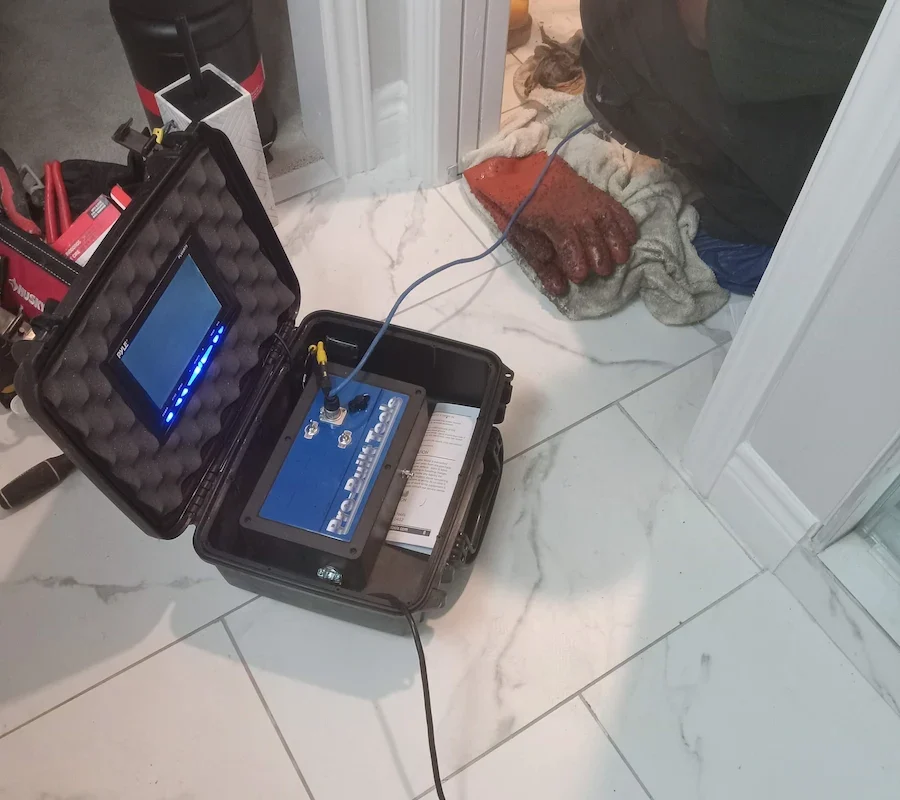
Camera Inspection

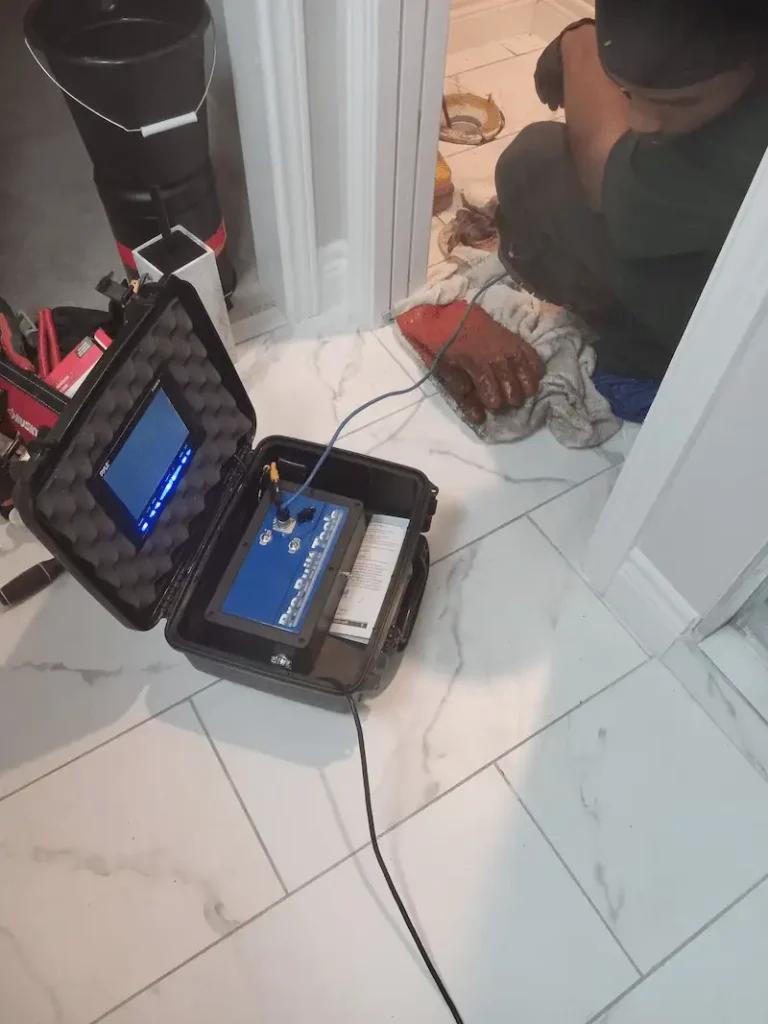
Professionals insert a camera to locate the exact collapse point.

Leak Detection Tools

Advanced equipment identifies hidden leaks under concrete.

Damage Assessment

They determine whether the pipe can be repaired or requires full replacement.

Traditional Jackhammer Method for Replacing a Collapsed Pipe Under Slab

How It Works

  • Breaking through the concrete slab
  • Removing the damaged pipe
  • Installing a new pipe system

When It’s Necessary

This method is often required for a severely collapsed pipe under slab where repairs are not possible.

Pros and Cons

Pros:

  • Complete replacement
  • Long-term durability

Cons:

  • Labor-intensive
  • Higher cost
  • Requires restoring flooring

This method is common when replacing plumbing in concrete slab becomes unavoidable.

Alternative Replacement Methods for Collapsed Pipes

Pipe Bursting

Replaces the damaged pipe without extensive excavation by breaking it outward.

Rerouting

Installs a new line around the slab instead of under it.

When These Methods Work Best

  • Limited access under the slab
  • Desire to minimize structural damage

Comparing Repair Methods: How To Choose The Best Fix For Your Home

Factors to Consider

  • Severity of the collapse
  • Location of the pipe
  • Budget and long-term value

Cost Considerations

Many homeowners ask, how much is a sewer line replacement—the answer depends on:

  • Length of pipe
  • Method used
  • Accessibility

Best Approach

For a severe Major sewer line damage under the slab, replacement is usually the most reliable long-term solution.

How to Prevent Sewer Pipe Collapse Under a Slab

Regular Inspections

Schedule periodic camera inspections to catch issues early.

Avoid Chemical Drain Cleaners

These weaken pipes over time.

Maintain Landscaping

Keep tree roots away from sewer lines.

Upgrade Old Pipes

Replacing aging materials reduces the risk of another collapsed pipe under the slab.

Suspect a Collapsed Main Sewer Line Under Slab in Houston? Call Trenching and Tunneling Services

If you suspect a collapsed pipe under the slab, acting quickly can prevent major structural damage. Professional trenching and tunneling services provide efficient solutions with minimal disruption, especially for complex cases involving deep or inaccessible sewer lines.

🚨 Need Immediate Sewer Line Help in Houston?

Don’t wait for damage to spread. Call our experts now or visit our location for professional trenching and tunneling services.

Fast response • Licensed professionals • Serving Houston & nearby areas

FAQs

What does a collapsed pipe mean?

A collapsed pipe means the pipe structure has failed or caved in, blocking water flow and often requiring repair or replacement.

How to fix a broken pipe under a concrete slab?

Fixing a broken or collapsed pipe under the slab typically involves identifying the damage, then choosing between repair methods like pipe lining or full replacement, such as jackhammer excavation or rerouting.

How do you fix a collapsed pipe?

A collapsed pipe under slab is usually fixed by replacing the damaged section using excavation, pipe bursting, or rerouting, depending on severity.
How Much Is a Sewer Line Replacement in 2026? Full Pricing Guide Inside

How much is a sewer line replacement in 2026? Homeowners are seeing a wide range of costs depending on materials, labor, and property conditions. Understanding pricing, methods, and warning signs helps you budget wisely and avoid costly surprises.

What Influences How Much is a Sewer Line Replacement Costs?

Key Cost Factors

When determining how much is a sewer line replacement, several important factors come into play that can significantly impact the final price.

1. Depth and Accessibility

  • Deeper lines require more labor and equipment
  • Hard-to-reach areas increase costs

2. Length of the Pipe

  • Longer lines = higher material and labor costs

3. Soil and Obstacles

  • Rocky soil or tree roots raise expenses
  • Driveways and foundations require extra work

Hidden Issues to Consider

A free sewer camera inspection can uncover hidden damage like cracks or blockages before replacement begins, helping you avoid unexpected costs.

What is the Average Sewer Line Replacement Cost in 2026

Average Cost Range

Project TypeAverage Cost
Basic replacement (short line)$3,000 – $6,000
Standard residential$6,000 – $15,000
Complex or deep excavation$15,000 – $25,000+

Cost Per Linear Foot

  • $50 – $250 per linear foot
  • Depends on digging difficulty, depth, and location

If you’re asking how much does a sewer line replacement cost, the final number depends heavily on your property layout and soil conditions.

What is the Difference Between Sewer Line Repair and Replacement?

Sewer Line Repair

  • Fixes small sections
  • Lower cost ($1,000 – $5,000)
  • Suitable for minor cracks or leaks

Sewer Line Replacement

  • Replaces the entire pipe
  • Required for collapsed or severely damaged lines

When Replacement Is Necessary

Look for Signs You Need Sewer Line Trenching in Houston Homes, such as:

  • Frequent backups
  • Sewage odors
  • Soggy yard areas

Sewer Line Replacement Cost by Material

Common Pipe Materials

MaterialCost per FootLifespan
PVC$50 – $15050–100 years
Cast Iron$100 – $25075–100 years
Clay$80 – $20050–60 years
HDPE$90 – $18050+ years

Choosing the Right Material

  • PVC is most cost-effective
  • Cast iron offers durability but costs more

Material choice plays a big role in determining how much is a sewer line replacement overall.

Get Your Sewer Line Cost Estimate

Stop guessing repair costs. Get a professional inspection and receive an accurate, upfront estimate based on your property.

Includes Free Sewer Camera Inspection
Get Free Estimate
Or call us directly:
(832) 455-6721

Sewer Line Replacement Cost: Trenchless vs. Traditional

Trenchless Replacement

  • Cost: $80 – $250 per foot
  • Minimal digging
  • Faster completion

Traditional (Excavation)

  • Cost: $50 – $200 per foot
  • Requires digging trenches
  • May involve landscaping repairs

Comparison Table

MethodProsCons
TrenchlessLess damage, fasterHigher upfront cost
TraditionalLower initial costMore property disruption

For many homeowners considering Sewer Line Replacement in Houston tx, trenchless is becoming a preferred option.

DIY vs. Professional Sewer Line Replacement

DIY Considerations

  • Lower upfront cost
  • High risk of mistakes
  • Requires permits and equipment

Hiring a Professional

  • Ensures proper installation
  • Meets local codes
  • Saves time and stress

For complex jobs involving Sewer Line Excavation, professional work is strongly recommended.

Do I Need a Permit to Replace My Sewer Line?

Permit Requirements

Yes, most cities require permits for sewer line replacement. This ensures:

  • Compliance with building codes
  • Proper inspections
  • Safe installation

Cost of Permits

Permit fees range from:

  • $100 to $500, depending on location

Permit costs should always be included when calculating how much is a sewer line replacement.

How to Save Money on Sewer Line Replacement

Smart Cost-Saving Tips

1. Get Multiple Quotes

Compare at least 2–3 contractors

2. Schedule During Off-Peak Seasons

Lower demand can reduce labor costs

3. Use Camera Inspections First

A free sewer camera inspection can confirm whether replacement is truly necessary

Long-Term Savings

Investing in quality materials reduces future repair costs, lowering overall expenses over time.

how much is a sewer line replacement

Is Sewer Line Replacement Worth It?

Benefits of Replacement

  • Eliminates recurring plumbing issues
  • Increases property value
  • Improves sanitation and safety

When It Makes Sense

If repairs are frequent, replacing the line is often more cost-effective than repeatedly fixing issues—especially when evaluating how much is a sewer line replacement long-term.

Your Guide To Preparing and Budgeting for Sewer Line Replacement

Steps to Prepare

  • Inspect your current system
  • Request estimates
  • Understand permit requirements

Budget Planning Tips

  • Set aside 10–20% for unexpected costs
  • Consider financing options if needed

Understanding how much is a sewer line replacement ahead of time helps you avoid financial surprises.

Get Your Sewer Line Replacement Cost Estimate Today

If you’re still wondering how much is a sewer line replacement, the best next step is getting a professional estimate. Trenching and Tunneling Services can help evaluate your situation and provide accurate insights based on your property conditions. A professional inspection will identify the exact scope of work and provide a clear, accurate estimate for your situation.

Start with an inspection, explore your options, and make a confident, informed decision about your sewer system investment.

FAQs

What is the life expectancy of a sewer line?

Sewer line lifespan varies by material. PVC and cast iron typically last the longest, while clay pipes have a shorter lifespan depending on soil conditions and maintenance.

Does the city pay for sewer line replacement?

Usually, homeowners are responsible for the sewer line that runs from the house to the city connection, while the city only covers the main sewer line.

How Much Does It Cost to Trench Per Foot? (2026)

How much does it cost to trench per foot is one of the most common questions for homeowners and contractors planning underground work. Costs vary based on soil, depth, and project type, but understanding pricing helps you budget accurately and avoid unexpected expenses.

How much does it cost to trench per foot?

In 2026, most residential projects see rates ranging from $8 to $20 per linear foot. However, this varies significantly based on depth and soil density. For homeowners comparing underground utility expenses, it’s also helpful to understand related project costs, such as How Much Is a Sewer Line Replacement, since sewer line work often requires similar trenching conditions and pricing factors. For specialized tasks like a Trenching service in Houston, where heavy clay is prevalent, costs often sit at the higher end of that spectrum.

Standard Pricing Models

Professional contractors typically utilize two primary methods to ensure a sustainable business model:

  • Minimum Charge: Most reputable firms require a minimum charge of $1,500–$2,500 to cover mobilization and equipment transport.
  • Linear Foot Pricing: Once the minimum is met, the standard rate per foot applies.

How much does it cost to trench 100 feet?

For a standard 100-foot run, you can expect to pay between $1,500 and $3,000. If the project is simple and the soil is soft, you might hover near the base mobilization fee. However, if the job requires deeper excavation or passes through rocky terrain, the total will climb. The specific utility being laid also dictates the price; for example, trenching for water line installation typically requires a deeper, more precise cut to reach below the frost line and protect the pipes from freezing.

Cost Breakdown for 100 Feet

  • Shallow (12-18 inches): ~$1,500 (Base fee usually applies).
  • Medium (24-36 inches): ~$2,000 – $2,500.
  • Deep (48+ inches): ~$3,000+.

Trenching cost per foot vs per metre: what’s the difference?

While the US standard is the linear foot, international projects or large-scale civil engineering often use meters. Since one meter is roughly 3.28 feet, a price of $15 per foot translates to approximately $49.20 per meter. When asking how much to trench per foot versus per meter, always clarify the unit to avoid a significant pricing error in your budget.

Why trenching prices vary so much between properties

No two yards are identical. A property with clear, sandy soil is much cheaper to work on than one with heavy roots or boulders. When calculating how much does it cost to trench per foot, contractors look for “obstruction risks” like old concrete or existing underground lines that require careful hand-digging.

Soil TypeExcavation DifficultyEstimated Add-on CostBest Equipment
Sandy/LooseLow: Very easy to dig; fast progress.$0 (Base Rate)Standard Trencher
Silt/LoamModerate: Stable but requires more power.+$2 – $5 per footMini-Excavator
Heavy ClayHigh: Sticky and dense; slows down work.+$5 – $10 per footHeavy Duty Trencher
Rocky/CalicheVery High: Requires specialized teeth or saws.+$15+ per footRock Saw / Jackhammer

how much does it cost to trench per foot

How trenching costs change based on project complexity

The complexity of a trench isn’t just about length; it’s about what stands in the way. The average trenching cost globally has risen slightly due to equipment maintenance, but site-specific hurdles remain the biggest price driver.

Obstacles and Accessibility

  • Tight Spaces: If a large machine cannot fit, smaller, labor-intensive equipment is used, increasing the time on-site.
  • Hardscaping: Cutting through a driveway adds significant time and specialized saw equipment to the bill.
  • Slope: Steeper grades require specialized stabilization for machinery safety.

Typical trenching costs for residential vs commercial projects

Residential work is often higher “per foot” because the projects are smaller, making the mobilization fee a larger percentage of the total. Commercial projects often see lower rates—sometimes $5 to $12 per foot—because the massive scale allows for high-efficiency machinery and bulk labor rates.

Is trenching the most cost-effective option compared to alternatives?

Trenching vs Alternatives

  • Trenching → lower upfront cost
  • Boring/tunneling → less surface disruption

When Trenching is the Better Choice

  • Open areas
  • Short trench distances
  • Budget-focused projects

Evaluating how much does it cost to trench per foot helps determine the most suitable method.

Do I need permits before digging a trench?

Yes, almost certainly. Most municipalities require permits for anything deeper than 12 inches to ensure you aren’t interfering with public easements. Furthermore, you must call 811 to mark existing lines. Failure to do so can result in massive fines and repair costs that far exceed the initial project estimate.

How to estimate trenching costs before contacting a contractor

To get a “ballpark” figure, follow these steps:

  1. Measure the distance: Use a wheel or tape to get the exact linear footage.
  2. Determine Depth: Check local codes for how deep your specific utility must be buried.
  3. Check Soil Quality: Identify if you are dealing with soft dirt, heavy clay, or solid rock.
  4. Factor the Minimum: Remember that even a 10-foot trench will likely cost the $1,500 minimum charge.

By doing this, you’ll understand how much does it cost to trench per foot for your specific geographic area before the first shovel hits the ground.

Value and long-term benefits of professional trenching

Hiring a professional ensures the trench is level, the correct depth for local frost lines, and properly backfilled to prevent future “sinking” or soil erosion. Expert excavation provides the peace of mind that your infrastructure is protected for decades, making the cost a sound long-term investment.

Why Hire Professionals

  • Accurate excavation
  • Compliance with safety standards
  • Reduced risk of damage

Long-Term Benefits

  • Durable installations
  • Fewer repairs
  • Improved efficiency

Many homeowners only realize the importance of professional help when they notice the signs you need sewer line trenching in Houston, such as persistent wet spots in the lawn or slow-draining fixtures. While DIY may seem cheaper, hiring professionals ensures better value when considering how much does it cost to trench per foot over time.

Summary: DIY vs. Professional Trenching

Risk FactorDIY TrenchingProfessional Trenching
Utility StrikesHigh Risk: High chance of hitting unmarked gas, water, or fiber lines.Low Risk: Professionals handle 811 marking and use utility locators.
Project CostVariable: Low initial cost, but high potential for repair/fine expenses.Fixed: Higher upfront cost with a $1,500–$2,500 minimum charge.
Equipment SafetyDangerous: Heavy machinery rental carries high injury risk for novices.Safe: Operated by trained, insured, and experienced crews.
ComplianceUncertain: Risk of fines for missing permits or improper depths.Guaranteed: Work is done to 2026 local codes and safety standards.
Long-Term QualityLow: Potential for soil sinking, erosion, or pipe damage over time.High: Precision backfilling and bedding ensure a durable installation.

Final Thoughts on Trenching Costs

Understanding how much does it cost to trench per foot helps you plan effectively, compare estimates, and make informed decisions. By considering site conditions, project complexity, and long-term value, you can ensure a successful and cost-efficient excavation project.

Frequently Asked Questions

Does the trenching cost include backfilling?

In most professional estimates, standard backfilling with the excavated soil is already factored into the base price. However, if your project requires specialized bedding (such as sand for sensitive pipes) or mechanical compaction to prevent future ground sinking, these services may result in an additional charge.

How deep should a standard utility trench be?

Depth requirements depend on local building codes and the specific utility type being installed. Typically, water lines must be buried below the frost line (often 24–36 inches), while electrical conduit may only require 18–24 inches. Always verify requirements with your local municipality before finalizing your project budget for a specific depth.

What is the cheapest way to dig a trench?

For very short, shallow runs (under 10 feet), a hand shovel is the cheapest method. For anything larger, a walk-behind trencher is the most economical rental. However, for large-scale residential or commercial projects, professional linear foot pricing is usually the most cost-effective per unit of work.

Replacing Plumbing in Concrete Slab: Costs, Process, and What Houston Homeowners Should Know

Replacing plumbing in concrete slab foundations often requires accessing pipes beneath the concrete floor. When these pipes fail due to age, corrosion, or soil movement, repairs can become more complex than typical plumbing work. These repairs usually require specialized methods such as trenching, tunneling, or selective concrete cutting to reach the damaged pipes. At Trenching & Tunneling Services in Houston, we help homeowners understand the repair process, estimate costs, and identify when professional assistance is needed to prevent further structural or plumbing damage.

How Homeowners Can Understand Replacing Plumbing in Concrete Slab

When pipes beneath a foundation are damaged, accessing and repairing them requires precision to avoid compromising the home’s structure. We perform Sewer Line Replacement and other under-slab plumbing repairs, including situations where water supply lines have leaks or outdated materials have failed.

Professional methods to reach damaged pipes typically include:

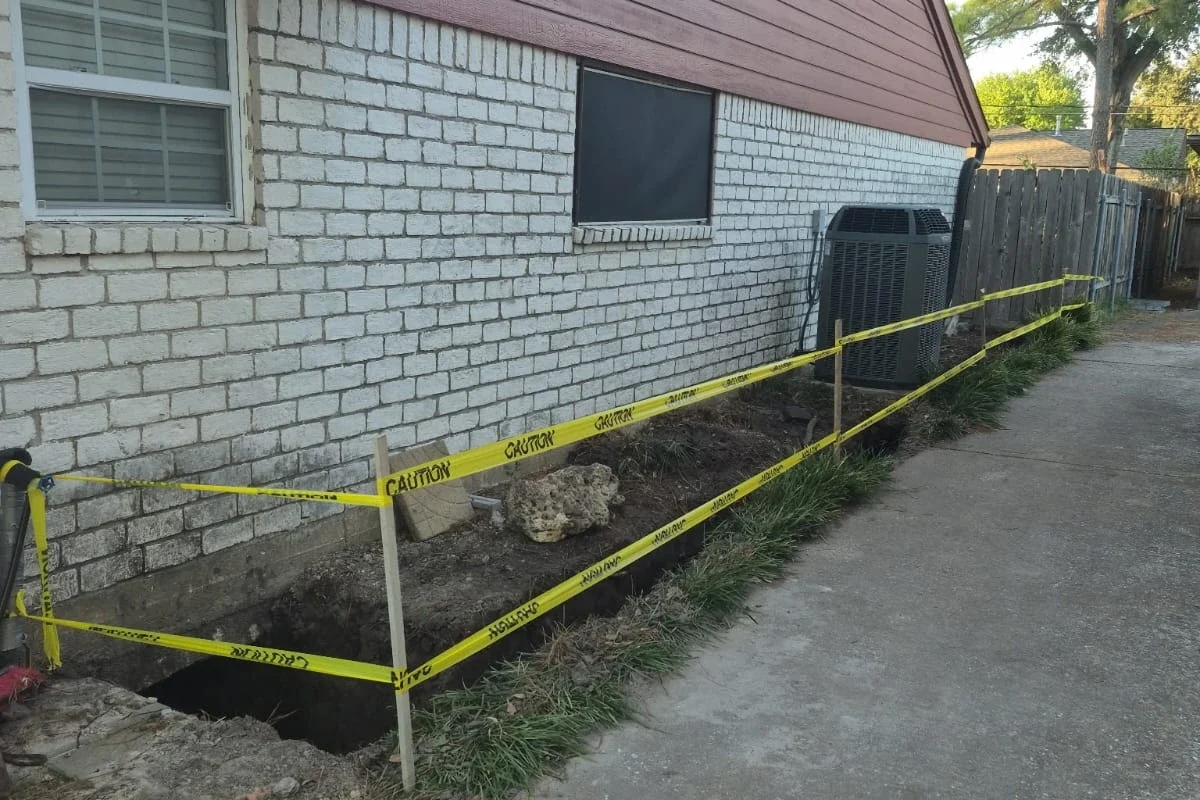
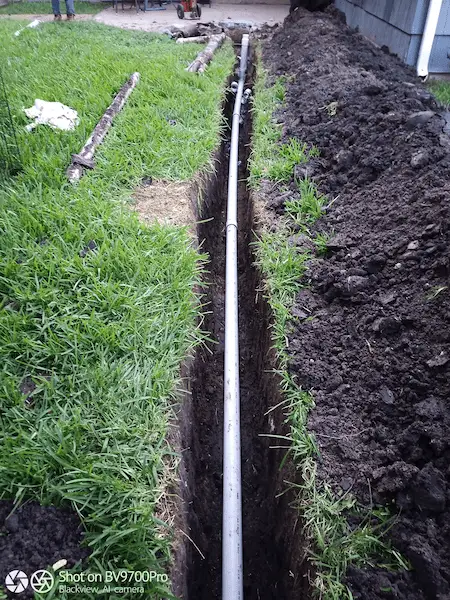
  • Excavating a trench outside the home to access the underground sewer lines safely.
  • Tunneling beneath the slab to repair pipes without disturbing the interior flooring.
  • Selective concrete cutting to repair only the affected sections of the slab directly above the damaged pipes.

Each approach is chosen based on pipe location, soil conditions, and the severity of the damage.

Common Reasons Pipes Under Concrete Slabs Need Replacement

Plumbing beneath slab foundations can fail for several reasons, particularly in older Houston homes. Common causes include:

Aging or Corroded Pipes

Older homes often used cast iron or galvanized steel pipes, which corrode over time and may eventually fail.

Soil Movement

Expanding or shifting soil beneath the slab can stress pipes, leading to cracks or separations.

Tree Root Intrusion

Roots naturally grow toward moisture and can invade sewer lines through small openings, causing blockages or damage.

Poor Installation or Old Materials

Some plumbing systems were installed using outdated materials or techniques that are no longer reliable.

Warning Signs of Underground Pipe Failure

Early detection helps homeowners avoid costly repairs. Watch for these signs you need sewer line trenching in Houston:

  • Persistent drain backups
  • Sewage odors inside the home
  • Unexplained wet or warm spots on floors
  • Cracks in the foundation
  • Higher water bills without increased usage

Identifying problems early ensures that professional repair methods can prevent further structural or plumbing damage.

Replacing Plumbing in Concrete Slab

How to Replace Plumbing Under a Concrete Slab in Houston

Replacing plumbing in concrete slab requires a precise, step-by-step approach. At Trenching & Tunneling Services, our process includes:

1. Inspection and Leak Detection

We locate the issue using:

  • Video pipe inspections
  • Electronic leak detection
  • Pressure testing equipment

This determines if replacing plumbing in concrete slab areas is necessary or if targeted repairs will suffice.

2. Choosing the Best Access Method

Based on pipe location and damage, we select the safest access method:

3. Pipe Replacement

We replace damaged pipes using durable materials:

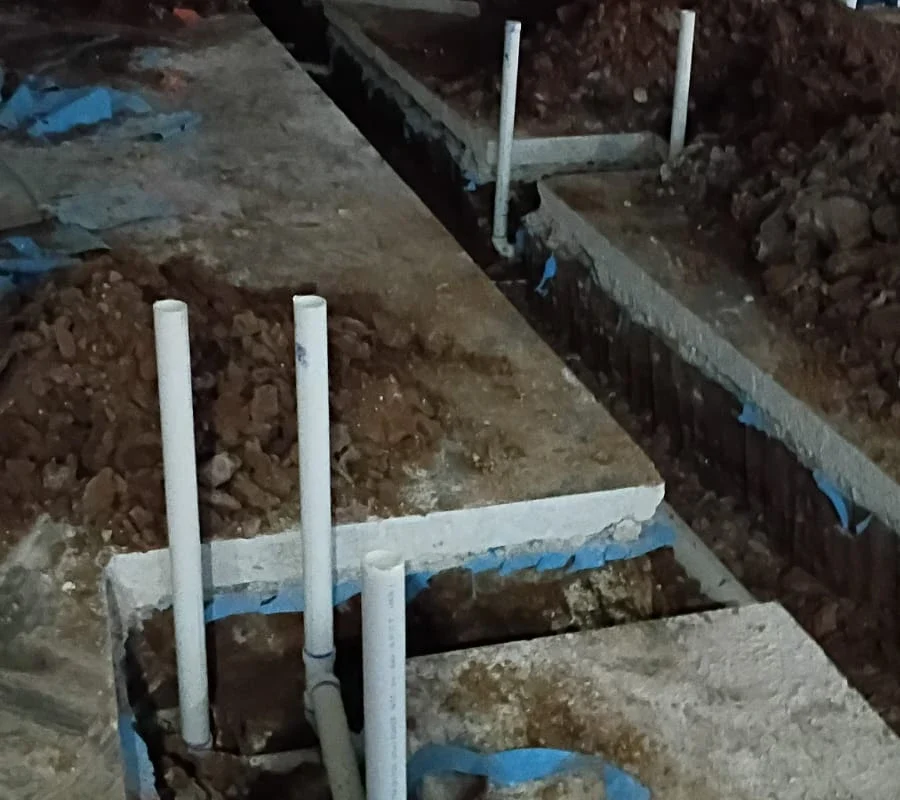
  • PVC pipes for sewer lines
  • PEX piping for water supply lines

These materials provide long-lasting corrosion resistance.

4. Restoration and Testing

After installation, the area is restored, and the plumbing system is tested for proper functionality.

What Affects the Cost of Replacing Plumbing in a Concrete Slab?

The replacing plumbing in concrete slab cost can vary depending on several factors:

  • Depth and location of underground pipes
  • Length of pipe that needs replacement
  • Access method used (trenching, tunneling, or concrete cutting)
  • Thickness of the concrete foundation
  • Labor, excavation, and restoration work

Understanding How Much Is a Sewer Line Replacement can help homeowners better estimate overall repair costs and plan ahead for potential under-slab plumbing issues.

We provide detailed inspections and estimates so Houston homeowners can plan repairs effectively.

How Much Does It Cost to Replace a Sewer Line Under a Concrete Slab?

The cost of replacing a sewer line under a concrete slab depends on the pipe location, access method, and complexity of the work. Here’s what Houston homeowners can expect:

Typical Cost Ranges

  • Sewer lines near the edge of the foundation: $2,000 – $5,000
  • Sewer lines beneath the center of the home: $5,000 – $10,000+ (Prices vary based on pipe length, materials, and labor.)

Practical Advice

  • Using modern materials like PVC for sewer lines improves durability and reduces future problems.
  • Getting a professional inspection and estimate from a trusted Houston company like Trenching & Tunneling Services ensures the cost is accurate and the repair is safe.
  • Consider rerouting or upgrading pipes if multiple sections are aging to avoid repeat repairs.

Can You Repipe a House on a Slab?

Yes. Instead of removing every pipe under the slab, plumbers may reroute plumbing lines through other parts of the home:

  • Installing new water supply lines through walls or attic spaces
  • Abandoning deteriorated pipes beneath the slab
  • Connecting new plumbing lines directly to fixtures

This method is often used when multiple pipes beneath the foundation have failed.

Can Plumbing Be Added After a Slab Is Poured?

Adding plumbing after a concrete slab is poured is possible, but requires specialized methods:

  • Concrete cutting and trenching
  • External excavation
  • Plumbing tunneling services

These methods allow installation while minimizing disruption to the home’s structure.

When Should You Call a Professional for Under-Slab Plumbing Repairs?

Slab plumbing problems often require professional equipment and expertise. Attempting repairs without experience can lead to foundation damage or incomplete fixes.

Call Trenching & Tunneling Services in Houston if you notice:

  • Repeated drain blockages
  • Strong sewage odors indoors
  • Sudden increases in water bills
  • Moisture or warm spots on the flooring
  • Cracks or shifting in the foundation

Professional inspection determines whether the issue requires repair, rerouting, or full pipe replacement.

Conclusion

Plumbing systems under slab foundations can last for decades, but aging pipes, corrosion, or soil movement may require repairs. Understanding the process of replacing plumbing in concrete slab helps homeowners spot problems early and choose the best solutions. Whether the solution involves trenching, tunneling, or rerouting pipes, addressing underground plumbing issues promptly protects your home’s foundation and ensures your plumbing system operates safely and efficiently.If you’re in Houston, Trenching & Tunneling Services offers expert Sewer Line Replacement and under-slab plumbing repairs with minimal disruption to your home.

Contact us today for professional inspection and service.

FAQs

Is tunneling better than breaking the slab?

Yes. Tunneling preserves interior flooring and reduces structural disruption, making it often the preferred solution.

How long does replacing plumbing under a slab take?

Most projects take several days, depending on pipe length, access method, and restoration needs.

Can slab plumbing problems damage the foundation?

Yes. Long-term leaks can cause soil erosion beneath the slab, leading to cracks and structural instability if not addressed promptly.

Signs You Need Sewer Line Trenching in Houston Homes

Recognizing the signs you need sewer line trenching in Houston early can be the difference between a controlled project and an emergency disaster. While some issues can be handled with a simple snake or hydro-jetting, others require a more invasive, albeit permanent, solution.

In Houston, where the geography and construction styles are specific, these signs often manifest in ways that are hard to ignore. If you find yourself asking, “How do you know if you have a sewer line problem?” the answer usually lies in the consistency and location of the issues you’re facing.

Why Sewer Line Problems Are Common in Houston

Before diving into the signs you need sewer line trenching in Houston, let’s learn why sewer line problems are common. Houston isn’t just any city; it’s a city built on a unique geological foundation that poses specific challenges for underground utilities.

The Soil Factor

Houston is famous (or infamous) for its “expansive” clay soil. This soil acts like a sponge—it swells significantly when wet and shrinks during our intense summer droughts. This constant movement puts immense pressure on buried pipes, often leading to shifts, bellies, or complete breaks in the line.

Aging Infrastructure

Many of our beautiful historic neighborhoods, like the Heights or Montrose, still rely on clay or cast-iron pipes installed decades ago. These materials have a shelf life, and after 50+ years, they become brittle and prone to root intrusion.

Slab-on-Grade Foundations

Unlike homes in the north with deep basements, Houston homes are predominantly built on concrete slabs. When a sewer line fails beneath a slab, it isn’t just a plumbing issue; it’s a structural concern.

What Is Sewer Line Trenching?

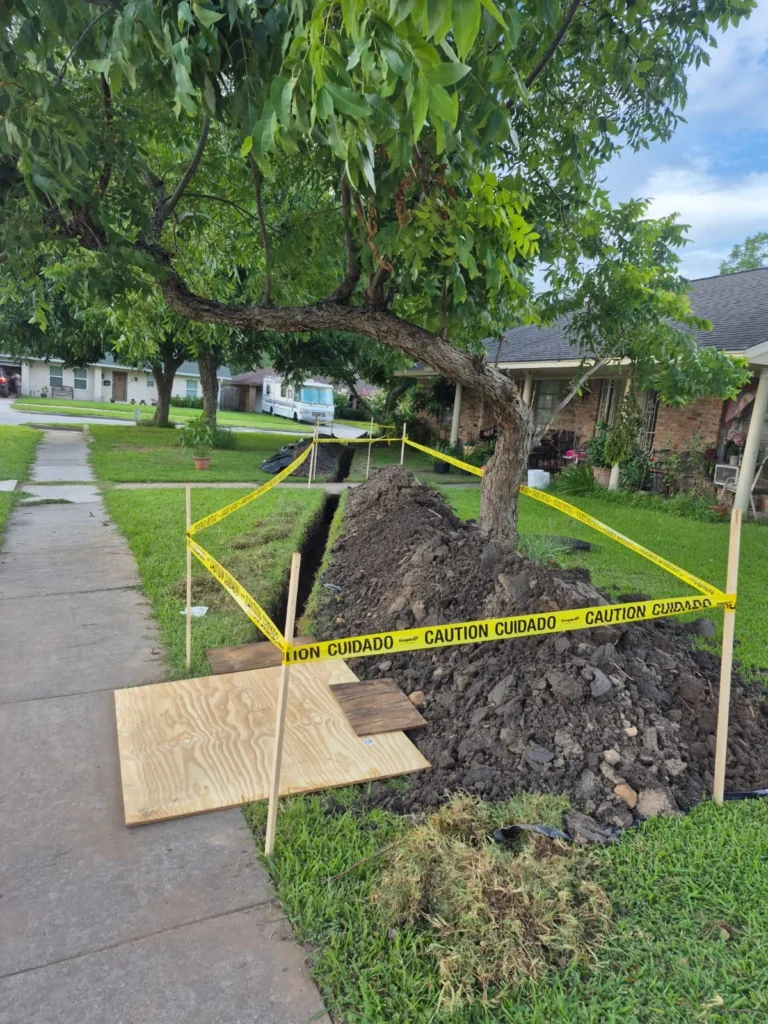
Simply put, sewer line trenching is the process of excavating a path in the ground to access, repair, or perform a full sewer line replacement. While modern technology has introduced “trenchless” options, traditional trenching remains the gold standard for many Houston sewer line trenching services.

It involves digging down to the depth of the pipe, which leads many to ask, “How deep is a sewer line from house?” Generally, in the Houston area, these lines are buried anywhere from 12 inches to 6 feet deep, depending on the slope of your property and the distance to the city’s main connection.

Key Warning Signs of Serious Sewer Line Damage

Recognizing the signs you need sewer line trenching in Houston early can save you thousands in foundation repairs and interior restoration. Here are the red flags that indicate it’s time to call in the professionals for a permanent fix.

Persistent Sewer Backups and Blockages

If you clear a blockage only for it to return a week later, you aren’t dealing with a “clog,” you’re likely dealing with a broken pipe. When a pipe collapses, no amount of chemical cleaner will fix the physical obstruction.

Sewage Odors Inside or Around the Home

A healthy sewer system is airtight. If you catch a whiff of rotten eggs or “sewer gas” in your yard or near your drains, it’s one of the clearest signs your sewer line is clogged or, worse, completely severed.

Frequent Drain Clogs Throughout the House

A single slow sink is a localized problem. However, if your kitchen sink, shower, and toilet are all gurgling at once, the issue is deep in the main line.

Sinkholes or Soft Spots in the Yard

Is there a patch of grass that is greener than the rest? Or perhaps a dip in the lawn that feels “mushy” even when it hasn’t rained? This is often caused by a leaking sewer line saturating the soil from below and is one of the signs you need sewer line trenching in Houston.

Cracks in the Foundation or Interior Walls

Because our pipes often run under the house, a leaking line can wash away the soil supporting your foundation. This leads to settlement, resulting in cracks in your drywall or flooring.

Sewer Line Damage Beneath Slab Foundations

If you notice water seeping up through your floorboards or “hot spots” on your tile, you likely need concrete trenching to access and repair a sub-slab leak.

Recurring Issues After Multiple Repairs

If you’ve spent thousands on “quick fixes for the signs you need sewer line trenching in Houston” over the last two years, it’s a sign that the line has reached the end of its life. Permanent trenching and replacement are often more cost-effective in the long run.

How Houston Soil and Slab Foundations Affect Sewer Lines

In Houston, the relationship between the soil and your slab is a delicate dance. When we perform trenching for water line installation or sewer repair, we often see “bellies” in the pipe. A belly occurs when the expansive clay soil shifts, causing a section of the pipe to sink. Gravity then fails to move waste along, leading to standing water and eventual blockages.

Furthermore, because many Houston homes are built on slabs, a sewer leak can actually cause the clay soil to expand upward, heaving your foundation and causing thousands of dollars in structural damage. This is why localized expertise is vital; we understand how to navigate the specific density of Texas clay.

You may have heard of “pipe bursting” or “cured-in-place” lining. While these are great tools, they aren’t always the right fit for Houston homes. We recommend traditional trenching when:

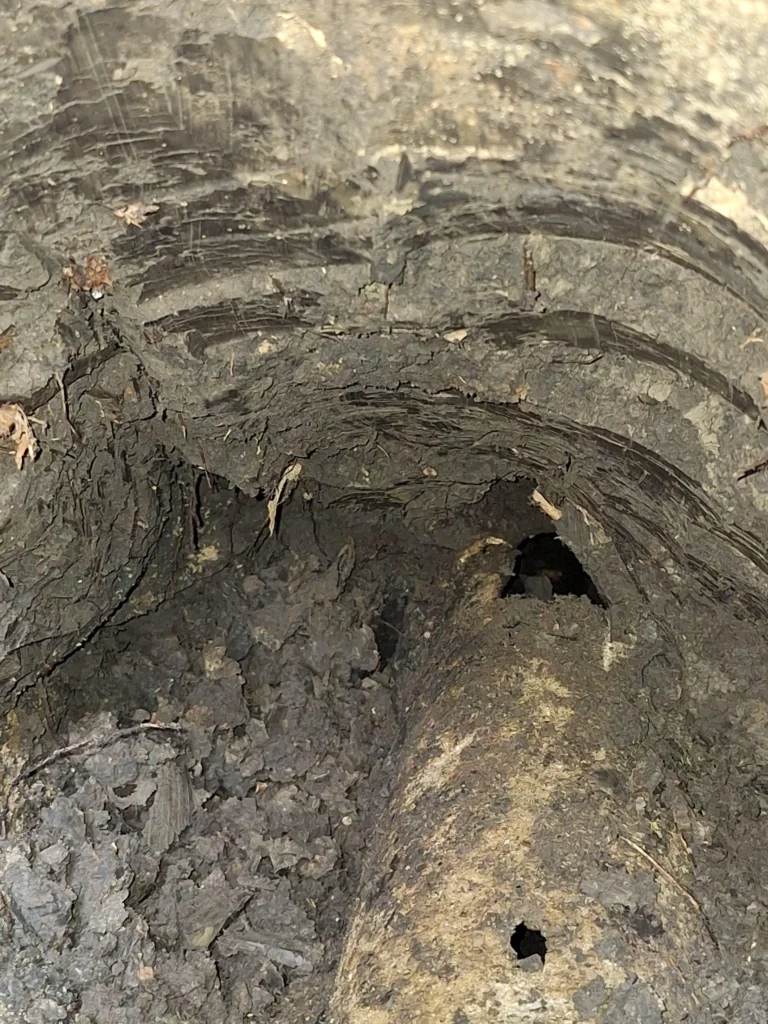
  1. The pipe has collapsed: A liner cannot be inserted into a pipe that no longer holds its shape.
  2. Back-pitch or Bellies: If the pipe has lost its slope, it must be physically repositioned—something only trenching can achieve.
  3. Severe Root Intrusion: If massive oak tree roots have pulverized the pipe, a fresh start is the only way to go.

At Trenching & Tunneling Services, we evaluate every situation carefully. If trenchless works, we’ll say so. If trenching is the better long-term investment, we’ll explain why.

How Professionals Confirm the Need for Sewer Line Trenching

Before recommending trenching to handle the signs you need sewer line trenching in Houston, professionals perform a full diagnostic process.

1. Camera Inspection

A high-resolution sewer camera is inserted into the line to identify:

  • Cracks.
  • Blockages.
  • Root intrusion.
  • Pipe collapse.

This eliminates guesswork and ensures accuracy.

2. Depth and Location Mapping

Technicians determine:

  • How deep is the sewer line from house.
  • Exact damage location.
  • Whether the pipe runs under landscaping, driveway, or slab.

3. Structural Evaluation

If foundation or yard damage is present, the team assesses whether these are signs you need sewer line repair or replacement to prevent further property damage.

Only after a thorough inspection is trenching recommended.

signs you need sewer line trenching in Houston

What Happens If Sewer Line Trenching Is Delayed

Delaying action when there are signs you need sewer line trenching in Houston can lead to:

  • Severe property damage
  • Mold growth
  • Foundation instability
  • Increased repair costs
  • Health hazards from sewage exposure

Small cracks become collapsed pipes. Minor backups turn into full sewage floods.

Homeowners often begin researching solutions and budgeting options when they start to notice serious issues, including questions like How Much Is a Sewer Line Replacement, especially as repair urgency increases.

The earlier the issue is addressed, the more controlled and cost-effective the repair will be.

Conclusion

Recurring clogs, odors, yard damage, and foundation cracks are the signs you need sewer line trenching in Houston. In Houston homes, they often point to underground pipe failure. Your home is likely your biggest investment, and its sewer system is its most vital (and invisible) lifeline. While the idea of trenching service in Houston might seem overwhelming, partnering with the right team makes all the difference. At Trenching & Tunneling, we bring years of local experience, specialized equipment, and a commitment to doing the job right the first time. Whether you need a full trenching sewer line replacement or precise concrete trenching, we are here to help you protect your home.

FAQs

How do I know if trenching is really necessary for my sewer line?

If your pipe has physically collapsed or lost its “grade” (the slope needed for gravity to move waste), trenching is usually the only way to physically realign and replace the system. A camera inspection is the best way to confirm this.

Can sewer line trenching be avoided in some Houston homes?

In some cases, yes. If the pipe is structurally sound but has small cracks, trenchless lining might work. However, given Houston’s shifting soils, trenching is often preferred to ensure the pipe is bedded correctly in stable material.

Is sewer line trenching common in older Houston neighborhoods?

Absolutely. Neighborhoods like Garden Oaks, Riverside Terrace, and Meyerland often require trenching because the original pipes have exceeded their 50-year lifespan and are reacting poorly to the local clay.

What’s the difference between sewer line trenching and trenchless repair?

Trenching involves digging a path to reach the pipe for a full manual replacement. Trenchless repair (like lining) involves pulling a new pipe or liner through the old one without digging a continuous trench. Trenching is more labor-intensive but allows for the correction of soil and slope issues.