• Your Trusted 24 Hours Service Provider!

Author Archives: tgaber

Types of Trenches for Residential Sewer Projects: A Homeowner’s Guide

Introduction

When it comes to residential sewer line repairs or replacements, understanding the types of trenches used can help homeowners make informed decisions. Different trenching methods impact your yard, project cost, and repair time.

From traditional open trenches to modern trenchless techniques, each approach has its benefits and limitations. This guide explores the main types of trenches used in residential sewer projects, helping you better communicate with contractors and choose the most efficient and least disruptive solution for your home.

What is a Trench?

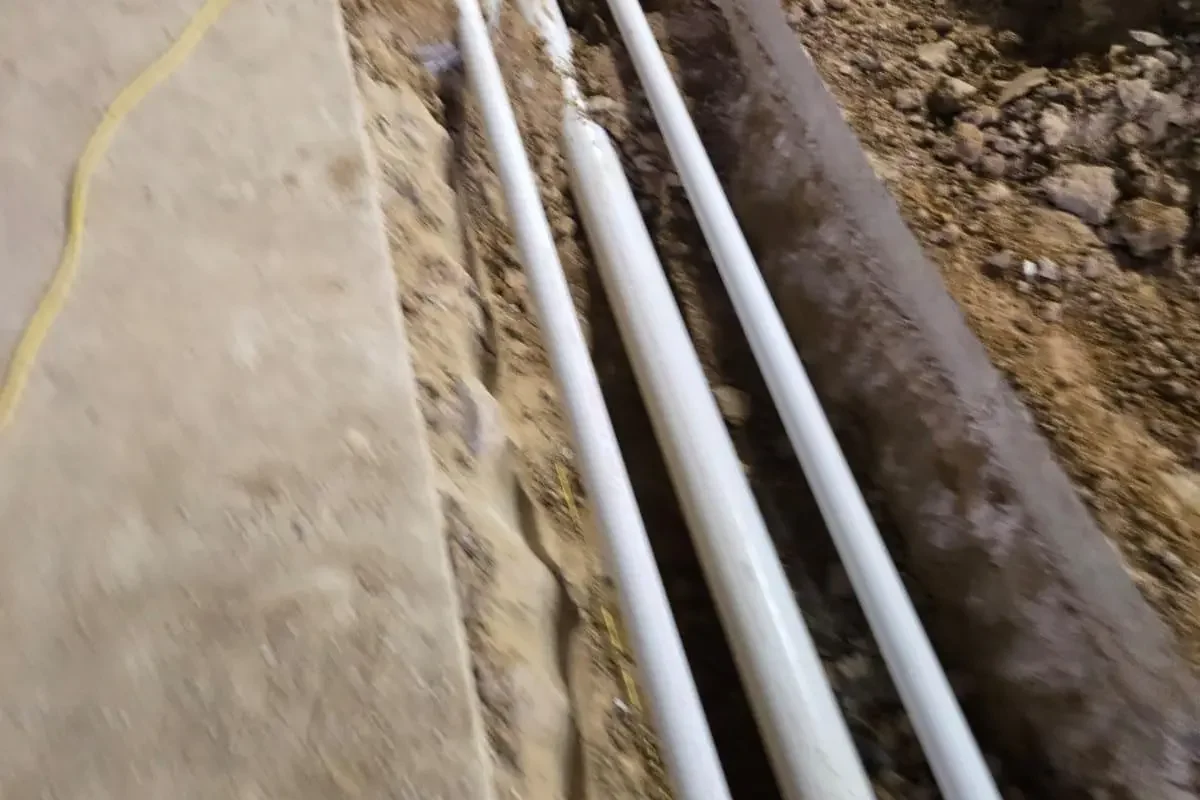
A trench is a narrow excavation made in the ground, typically deeper than it is wide, used for installing underground utilities like sewer lines, water pipes, or electrical conduits. In residential sewer projects, trenches allow access to buried pipes for repairs, replacements, or new installations.

Trenching plays a crucial role in ensuring plumbing systems function correctly and safely. It’s often performed by licensed professionals who use specialized equipment to dig according to local codes and safety standards.

Here are key points to understand:

  • Purpose: Trenches provide a path for underground utility lines, especially sewer and drainage systems.
  •  Depth and Width: These vary depending on the project, but sewer trenches are usually deep enough to ensure proper slope and freeze protection.
  • Types of Trenches: Methods include traditional open trenching, trenchless pipe bursting, and horizontal directional drilling. Each has its pros and cons based on property type and repair needs.
  • Trenching Equipment: Tools range from manual shovels for small jobs to excavators and trenchers for larger projects.
  • Trenching Service in Houston: If you’re dealing with sewer issues in the Houston area, hiring a local expert in trenching services ensures compliance with city regulations and minimizes property disruption.
  • Understanding trenches helps homeowners better plan for and manage sewer line repairs or installations.

The Different Types of Trenches: An Overview

Trenches serve a wide range of purposes across various industries and environments. Whether used in construction, environmental management, or military defense, trenches are essential for accessing, protecting, or channeling materials and forces below the surface.

Understanding the types of trenches helps provide context to their applications, from everyday utility projects to historical battlefields.

Here’s a brief overview of the most common types of trenches:

  •  Utility Trenches: Used to install and maintain underground infrastructure like water pipes, sewer lines, gas lines, and electrical cables.
  • Environmental Trenches: Designed for controlling erosion, managing stormwater runoff, or containing contaminated materials in landfills and industrial sites.
  • Military Trenches: These are defensive structures used in warfare to protect soldiers from enemy fire. They gained prominence during the early 20th century.
  • Agricultural Trenches: Used for irrigation or drainage to improve crop yield and soil health.
  • Geotechnical Trenches: Excavated for soil testing and analysis during construction planning.

These types of trenches demonstrate their versatility across different fields and time periods.

Excavation Trenches: Techniques and Best Practices

Excavation trenches are essential for construction, utility installation, and infrastructure repair. These trenches are carefully dug to provide access to underground systems or to lay foundations. Following proper techniques and safety practices is crucial to prevent collapses, injuries, or project delays. Understanding the types of trenches used and the methods to support them ensures both efficiency and worker safety on-site.

Key practices and concepts include:

  • Types of Trenches: Depending on the project, trenches may include utility trenches, foundation trenches, drainage trenches, and support trenches—secondary trenches that provide additional access or reinforcement during large excavations.
  •  Trench Shoring: The process of supporting trench walls with steel, hydraulic, or timber systems to prevent collapse.
  •  Sloping and Benching: Excavation techniques that angle or step the trench walls to reduce the risk of cave-ins.
  •  Trench Shielding: Using trench boxes or shields to protect workers without supporting the trench walls directly.
  • Soil Classification: Identifying soil types helps determine the safest excavation method.
  •  Access and Egress: Ladders or ramps must be placed within 25 feet of workers in trenches deeper than 4 feet.

Applying the right techniques for each of the types of trenches, especially when involving support trenches, enhances safety and project success.

Trench Types in Construction: From Foundations to Drainage

In construction, trenches are essential for laying foundations, installing utilities, and managing water flow. A trench is a long, narrow excavation that varies in depth and width depending on its purpose. Understanding the types of trenches used in construction helps homeowners and professionals choose the right method for safety, efficiency, and function.

Here are key types of trenches commonly used in construction:

  • Foundation Trenches: Dug around the perimeter of buildings to support footings and distribute structural loads.
  • Utility Trenches: Used for installing water, sewer, gas, or electrical lines underground.
  • Drainage Trenches: Also called French drains, these redirect groundwater away from structures to prevent flooding or erosion.
  • Sloped Trenches: Designed with angled sides to prevent collapse in deep excavations.
  • Shored Trenches: Use support systems to keep trench walls from caving in, especially in unstable soils.

It’s also useful to note that types of trenches in geography—such as oceanic trenches—are large-scale natural formations formed by tectonic activity. Though different from construction trenches, they share the core concept of being long, narrow depressions.

Understanding trench types ensures safe, code-compliant, and efficient project execution across residential and commercial construction.

Trench Safety: Guidelines and Precautions to Consider

Trenching is a common construction activity, but it carries serious safety risks if not handled properly. Collapses, falls, and hazardous atmospheres can cause severe injuries or fatalities. That’s why strict safety practices are essential when working in or around trenches.

Understanding the difference between excavation vs trenching is key. Excavation refers to any removal of earth, while trenching is a specific type of excavation that is deeper than it is wide and typically narrow.

Key trench safety guidelines include:

  •  Protective Systems: Use sloping, shoring, or shielding to prevent cave-ins.
  •  Access and Egress: Trenches over 4 feet deep must have ladders or ramps within 25 feet of all workers.
  •   Atmospheric Testing: Trenches deeper than 4 feet in potentially hazardous environments require air quality monitoring.
  • Soil Analysis: Knowing the type of soil helps determine proper protective measures.
  • Daily Inspections: A competent person must inspect trenches daily and after weather events.

Proper trench safety ensures worker protection and compliance with OSHA standards on today’s job sites.

Innovations in Trench Design: Technology and Sustainability

Modern trench design has evolved significantly with advancements in technology and a growing focus on sustainability. Traditional trenching methods often involved large-scale excavation that disrupted landscapes and wasted resources. Today, innovations aim to reduce environmental impact, improve efficiency, and enhance safety.

One historical reference point is reserve trenches, used during World War I as backup defensive lines. While primitive by today’s standards, they laid the foundation for strategic underground planning—something now echoed in modern infrastructure projects.

Key innovations in trench design include:

  • Trenchless Technology: Methods like pipe bursting and horizontal directional drilling allow for underground utility installation without extensive surface disruption.
  • Smart Sensors: Embedded monitoring devices track trench stability, water levels, and pipe conditions in real-time.
  • Eco-Friendly Materials: Recycled and biodegradable materials are now used for trench reinforcement and lining.
  • 3D Mapping & GPS: Advanced mapping helps plan trench routes more accurately, minimizing risk and material use.
  • Water Management Systems: Integrated drainage designs reduce runoff and promote groundwater recharge.

These innovations not only make trenching safer and more efficient but also enhance various types of trenches in construction, supporting sustainability in infrastructure and utility development.

Transform Your Project with Professional Trenching and Tunneling Services

Whether you’re laying utility lines, building a foundation, or managing drainage, hiring Professional Trenching and Tunneling Services can streamline your construction project. These services ensure that trenches are dug accurately, safely, and efficiently, reducing risks and delivering long-lasting, code-compliant results.

From digging foundation trenches to installing deep utility tunnels, professionals ensure precise and secure excavation tailored to your site conditions and project needs.

Key benefits of Professional Trenching and Tunneling Services include:

  • Expert Planning: Technicians assess soil types, depth requirements, and safety measures before any digging begins.
  • Specialized Equipment: Access to trenchers, boring machines, and safety systems improves efficiency and accuracy.
  • Compliance and Safety: Teams follow OSHA standards to avoid hazards like collapses or underground utility strikes.
  • Custom Solutions: Whether it’s shallow surface trenches or complex tunneling beneath roads, solutions are tailored to minimize disruption.
  • Preservation of Infrastructure: Techniques like vacuum excavation protect nearby structures and landscapes.

Professional Trenching and Tunneling Services are a smart investment for lasting, high-quality results in residential and commercial projects.

Need Help Now? Call Trenching Service now (832) 455-6721

Conclusion: The Future of Trenching in Various Industries

As technology advances and sustainability becomes a priority, the future of trenching looks more efficient, safer, and environmentally responsible.

Innovations in equipment, smart monitoring, and trenchless methods are transforming how industries approach underground work.

Understanding the different types of trenches—from utility and foundation to drainage and communication—is key to selecting the right approach for any project. As demand grows, trenching will continue to evolve across construction, infrastructure, and environmental sectors.

Frequently Asked Questions About types of trenches

How many types of trench are there?

There are several types of trenches, including utility trenches, foundation trenches, drainage trenches, and in military contexts, fire trenches, communication trenches, and reserve trenches, each serving specific purposes.

What are the 4 types of trench collapse?

The four types of trench collapse are slough-in, wedge failure, bell-bottom failure, and heaving or boiling. Each results from different soil pressures, water conditions, or structural weaknesses in the trench walls or base.

industrial demolition in houston

Industrial demolition is a complex and crucial process that involves the dismantling, decommissioning, and recycling of structures within industrial settings.

This type of demolition in houston work requires careful planning and execution to ensure safety, environmental responsibility, and the successful completion of the project.

What is industrial demolition in houston?

Industrial demolition in houston refers to the comprehensive process of tearing down or dismantling structures within industrial facilities.

The demolition in houston process requires meticulous planning and utilization of specialized equipment to ensure the efficient and safe removal of industrial infrastructure.

Understanding the industrial demolition in houston Process

It involves a detailed assessment of the site, planning the demolition strategy, obtaining required permits, and executing the demolition in a safe and controlled manner.

It also includes waste management and recycling of materials obtained from the demolition site, in line with environmental regulations and sustainability practices.

Importance of Selective Demolition in Industrial Projects

Selective demolition, an essential aspect of demolition, involves the careful dismantling of specific components within industrial facilities.

This approach allows for the salvaging of reusable materials, reducing waste and promoting sustainable practices in demolition projects.

interior demolition in houston

Recycling and Reusing Materials in demolition

Recycling and reusing materials play a pivotal role in demolition.

Materials such as metal, concrete, and wood recovered from demolition sites are often recycled or repurposed, contributing to environmental conservation and sustainable resource management.

Hiring the right industrial demolition contractor

Choosing the right contractor is paramount to the success of any demolition project. 

The contractor’s expertise, experience, and approach to safety and environmental considerations are essential factors to consider when selecting a demolition company.

How to choose the best industrial demolition company?

demolition contractors in houston

Ensuring the expertise of a demolition company involves:

  • evaluating their experience in handling diverse demolition projects
  • the use of modern equipment
  • adherence to safety standards
  • their commitment to sustainable demolition practices.

Key factors to consider when selecting a demolition contractor

The reputation, credentials, and project management capabilities of a demolition contractor in houstonare key considerations.

Assessing the contractor’s ability to handle complex projects and their focus on efficient waste management is crucial in making an informed decision.

Assessing the Credibility of the Contractor

Client testimonials and reviews provide insights into the quality of services offered by a demolition contractor.

Positive feedback and references from previous clients can instill confidence in the contractor’s ability to deliver successful projects.

demolition expert in houston

Industrial Demolition in houston services offered

Projects encompasses diverse services aimed at efficiently managing the demolition process within industrial premises.

These services are crucial for ensuring the safe and effective removal of structures and industrial assets.

Exploring the Scope of Demolition Projects

Demolition projects may involve complete dismantling, decontamination, and remediation of industrial sites.

The scope also includes the efficient handling of hazardous materials and waste produced during the demolition in houston.

Specific Services Offered by Industrial Demolition Contractors

Industrial demolition contractors offer a range of services, including:

  • site assessment
  • project planning
  • dismantling of structures
  • waste disposal
  • the implementation of eco-friendly demolition practices.

Their expertise extends to managing the unique challenges presented.

Decontamination and Abatement in demolition

Decontamination and abatement are crucial aspects of demolition, ensuring the removal of hazardous substances and the implementation of measures to mitigate environmental risks associated with the demolition process.

Read more: demolition meaning in Houston Now

challenges and opportunities in power plant demolition

Plant demolition projects present distinct challenges and opportunities due to the complex nature of dismantling energy infrastructure.

Addressing these challenges while maximizing opportunities for sustainable practices is essential in plant demolition.

Key Considerations for Plant Demolition Projects

The careful planning and execution of plant demolition projects involve considerations such as:

  • handling hazardous materials
  • deconstructing large-scale equipment
  •  ensuring the safety of workers and the surrounding environment throughout the demolition process.

Addressing Environmental and Safety Concerns in Power Plant Demolition

Environmental and safety concerns in power plant demolition necessitate the implementation of robust strategies to prevent environmental contamination, manage waste responsibly, and safeguard the well-being of workers and the community.

Maximizing Recycling and Reuse in the Demolition of Coal-fired Power Plants

The demolition of coal-fired power plants presents opportunities for maximizing recycling and reuse of materials.

Extracting valuable resources and repurposing them while managing by-products responsibly contributes to sustainable practices in plant demolition.

Working with a demolition contractor in houston

Businesses in Houston can benefit from partnering with experienced contractors, who provide specialized knowledge and skills tailored to the industrial landscape of the city.

Effective collaboration and communication with the demolition  contractor are essential for the successful execution of  projects in Houston.

Demolition

Why Houston Businesses Should Consider Industrial Demolition Services?

Houston businesses can gain significant advantages by utilizing demolition services to efficiently manage demolition and renovation projects within their industrial facilities.

The expertise of demolition contractors can contribute to the seamless completion of projects, meeting the specific needs of Houston-based clients.

Directing Industrial Demolition Projects

For businesses in Houston, directing demolition projects involves clear communication of project requirements, timelines, and environmental considerations with the contracted demolition company. 

Effective guidance and collaboration are essential in ensuring the successful execution of demolition projects.

Key Elements of Successful Demolition Projects

The collaboration between Houston-based clients and contractors hinges on effective communication and alignment of project goals.

This synergy is essential for addressing specific challenges and ensuring the successful outcomes of projects in Houston.

the best industrial demolition companies

As the best demolition company, we specialize in efficient demolition services for every project.

Our experienced contractor and expert demolition team manage the entire process, from selective demolition to decommissioning and waste management.

Whether it’s a power plant demolition, commercial structures, or coal-fired, we handle every phase of work with professionalism.

Our demolition work includes dismantling, abatement, and recycling, ensuring the safest completion of the project.

With a focus on health and safety, our services encompass on-site remediation for environments that require decontamination.

Contact us for testimonies of our expertise in handling complex projects.

industrial demolition in houston FAQ

1. What is industrial demolition in houston?

It involves the dismantling, decommissioning, and selective demolition of structures within industrial facilities such as power plants, factories, and other industrial sites.

2. How to find an industrial demolition contractor in Houston?

You can search for demolition companies specialized in demolition services through online directories, local listings, or referrals from other industrial facilities.

3. What are the key elements of an industrial demolition in houston?

it typically involves thorough planning, proper waste management, decontamination, and recycling of materials. 

4. What are the advantages of hiring a professional industrial demolition company in Houston?

Hiring a professional company in Houston ensures efficient demolition work, project management, and compliance with regulations. 

5. What are the steps involved in the industrial demolition process?

The demolition process typically includes site assessment, planning, dismantling, waste management, recycling, and decontamination. 

6. Is selective demolition a part of demolition services in Houston?

Yes, selective demolition is often included in Houston. It involves the careful removal of specific structures or components within an industrial facility while leaving other areas intact.

7. Can an industrial demolition company in Houston handle power plant demolition?

Yes, a reputable company in Houston should have the expertise and equipment to handle power demolition projects, ensuring the safe and efficient dismantling of power generation structures.

8. What services are typically included in industrial demolition projects in Houston?

Projects may include complete demolition, decontamination, remediation, waste management, recycling, and project management services to ensure a comprehensive approach to the demolition process.

Expert demolition company near me houston 

When you are considering a demolition project, it’s essential to find the right demolition company to handle the job.

In Houston, there are various factors to take into account when hiring a demolition company.

From residential to commercial and industrial demolition services, there are multiple aspects to consider.

This article will delve into what to ponder when looking for a demolition company near me houston, as well as the different services available and frequently asked questions.

Hiring a demolition company near me houston 

Before embarking on a demolition project, it’s crucial to evaluate the experience and expertise of the demolition company.

A reputable company with a proven track record will ensure that the demolition is executed with precision and in adherence to safety standards.

Additionally, the company should be well-versed in obtaining the necessary permits and adhering to the regulations for demolition company near me houston.

Furthermore, it’s essential to inquire about the types of demolition services offered by the company.

Whether it’s residential, commercial, or industrial, the company should specialize in the specific type of demolition required for the project.

Demolition Service in houston

Residential demolition company near me houston

For homeowners in Houston, the cost of residential demolition is an important consideration.

It’s advisable to obtain quotes from several demolition companies to compare the costs and services offered.

The process of hiring a residential demolition contractor involves researching their credentials, obtaining references, and ensuring that they are licensed and insured.

Related searches for residential demolition company near me houston often include terms such as

It’s essential to select a demolition company that can efficiently handle these aspects of the project.

demolition contractors in houston

Commercial and Industrial Demolition in Houston

When it comes to commercial and industrial demolition, different techniques are employed. Selective demolition plays a vital role in the demolition of commercial buildings, and the company should have expertise in this specialized process.

Additionally, specific regulations govern industrial demolition in Houston, TX, and it’s imperative to ensure that the chosen company complies with these regulations.

Best practices for exterior and structural demolition should be a top priority when selecting a demolition company.

The company should specialize in exterior and structural demolition to ensure the safe and efficient demolition of commercial and industrial properties.

Structural Demolition in Houston

Known for top-notch services throughout Houston and surrounding areas, they specialize in demolishing residential or commercial structures, from start to finish.

This best demolition company in Houston employs professional teams ensuring a cheap, insured, and punctual demolition job.

Utilizing advanced techniques, including concrete sawing and implosion, they efficiently demolish structures.

From interior demolition to site clearing, Cherry Companies offer comprehensive services, such as debris removal and dumpster rental.

Verified reviews attest to their professionalism, making them the go-to choice for Houston’s demolition needs.

demolition expert meaning

Selective Demolition in Houston

Selective Demolition in Houston, led by demolition experts, ensures precision in every project.

With a focus on residential or commercial structures, their demolition jobs, from start to finish, guarantee top-notch services.

From site clearing to aggregate removal, their expertise extends to industrial demolition services.

The entire process, from drill to clean-up, is meticulously executed. Operating in the Houston area, their demolition services, backed by general contractors, meet the highest standards.

Selective Demolition in Houston utilizes advanced techniques, including plumb leveling and backhoe operations, making them the preferred choice for renovate-to-wreck projects.

Contact our demolition professionals in houston today and get immediate demolition services in houston.

Frequently Asked Questions about demolition services in houston

Amidst the plethora of demolition companies in Houston, it can be challenging to select the best one for your project.

Factors to consider include the company’s reputation, experience, and adherence to safety standards.

Q: What services do demolition company near me houston offer?

A: Demolition contractors in Houston, TX typically offer a wide range of services including interior demolition, exterior demolition, pool removal, garage demolition, and general contracting services for residential and commercial projects.

Q: How can I find the best  demolition company near me houston?

A: To find the best demolition contractor in Houston, you can start by researching online, reading customer reviews, and asking for recommendations from friends or colleagues who have used demolition services in the area.

Q: What are the typical costs with commercial demolition in Houston?

A: The costs of commercial demolition in Houston vary depending on the size and complexity of the project. It is best to request quotes from multiple contractors to compare prices and services offered.

Q: Are there any affordable demolition company near me houston?

A: Yes, there are affordable demolition companies in Houston that offer competitive pricing for their services. It’s recommended to obtain quotes from multiple companies to find the best value for your demolition needs.

Q: What are the common types of demolition work that can be performed in Houston, TX?

A: Common types of demolition work in Houston, TX include building demolition, interior and exterior demolition, pool removal, and cleanup services. 

Q: Can demolition contractors in Houston provide project management services?

A: Yes, many demolition company near me houston offer project management services to ensure that the demolition process is handled efficiently and according to all regulations and safety standards.

Q: Do demolition company near me houston offer services for both residential and commercial properties?

A: Yes, many  demolition company near me houston offer services for both residential and commercial properties. They have the expertise and equipment to handle a wide variety of demolition needs.

Q: What are the key factors to consider when choosing a demolition company near me houston?

A: When choosing a demolition company near me houston, it’s important to consider their experience, reputation, range of services offered, pricing, and their ability to handle specific demolition needs such as interior or exterior demolition, pool removal, and cleanup services.

Q: What are the proper steps to take when hiring a demolition company near me houston?

A: When hiring a demolition company near Houston, it’s important to request and compare quotes from multiple companies, review their credentials and customer feedback.

digging sewer line service

In the world of modern infrastructure, the digging sewer line stands as a crucial component in ensuring the seamless operation of sewage systems.

Whether in residential neighborhoods, commercial complexes, or municipal areas, the trench sewer line plays a vital role in the efficient disposal of wastewater.

Let’s explore this essential feature in more detail, understanding its significance and key aspects.

Trench Sewer Line

What is a digging sewer line?

  • It refers to a system of underground pipes laid within a carefully excavated trench, designed to transport wastewater from homes, businesses, and communities to designated treatment facilities.
  • Trench sewer lines serve as the backbone of sewage systems, enabling the safe and effective disposal of wastewater, preventing environmental contamination and public health risks.

Key Elements of digging sewer line Installation:

  1. Excavation Process: The first step involves careful excavation of the ground to create a trench of the appropriate size and depth, allowing for the seamless placement of sewer pipes.
  2. Pipe Placement: Once the trench is prepared, the sewer pipes are meticulously installed and aligned to ensure smooth and uninterrupted flow of wastewater through the system.
  3. Backfilling and Compaction: After the pipes are securely in place, the trench is backfilled with suitable materials and compacted to provide stability and support to the sewer line, minimizing the risk of ground shifting and potential damage to the pipes.
  4. Final Inspection: A comprehensive inspection is conducted to ensure that the trench sewer line installation adheres to safety and quality standards, confirming that the system is ready for operational use.

Trench Sewer Line Installation

Significance of Trench Sewer Line in Infrastructure Development:

  • Trench sewer lines are instrumental in fostering sustainable and efficient urban development by facilitating the safe disposal of wastewater.
  • They contribute to the preservation of environmental integrity by preventing contamination of soil and water bodies, safeguarding the health of communities and ecosystems.
  • Properly installed and maintained trench sewer lines ensure the smooth functioning of sewage systems, minimizing the risk of blockages and leaks that can disrupt the overall flow of wastewater.

In conclusion, the trench sewer line remains an indispensable feature in the establishment and maintenance of effective sewage systems, underscoring its pivotal role in sustaining the health and well-being of communities and the environment at large.

Trench Sewer Line Installation

When it comes to setting up an effective and efficient sewer system, one of the most common methods is the trench sewer line installation.

This process involves creating a trench in the ground for the placement of sewer pipes, ensuring a secure and reliable pathway for the transportation of wastewater.

Let’s delve deeper into what trench sewer line installation entails and its significance in the realm of modern infrastructure.

digging sewer line

Key Aspects of Trench Sewer Line Installation:

  1. Excavation Process: Trench sewer line installation begins with the careful excavation of the ground to create a trench of appropriate depth and width, accommodating the sewer pipes and allowing for proper installation and maintenance.
  2. Pipe Placement: After the trench is prepared, the sewer pipes are meticulously placed and aligned to ensure seamless flow and connectivity throughout the system. Proper alignment is crucial to prevent any potential leaks or blockages in the future.
  3. Backfilling and Compaction: Once the pipes are securely in place, the trench is backfilled with suitable materials and compacted to provide stability and support to the sewer line, minimizing the risk of ground shifting and potential pipe damage.
  4. Final Inspection: A comprehensive inspection is conducted to ensure that the trench sewer line installation meets all necessary safety and quality standards, confirming that the system is ready for operational use.

Benefits of Trench Sewer Line Installation:

  • Cost-Effective Solution: Trench sewer line installation is often a cost-effective option, especially for projects requiring a substantial network of sewer pipes, making it a popular choice for both residential and commercial developments.
  • Reliable Performance: With proper installation and adherence to industry standards, trench sewer line systems offer reliable performance, minimizing the risk of leaks, blockages, and other potential issues that can disrupt the flow of wastewater.
  • Ease of Maintenance: Trench sewer line installation allows for relatively straightforward maintenance procedures, enabling easy access to the sewer pipes for repairs, cleaning, and any necessary inspections.
  • Long-Term Durability: When executed with high-quality materials and precise installation techniques, trench sewer line systems can exhibit exceptional durability, with the potential to withstand the pressures of regular use and environmental factors for an extended period.

What are the most common trencher uses?

In the realm of urban development and infrastructure planning, trench sewer line installation stands as a fundamental process in establishing a robust and reliable sewage system.

By understanding its intricacies and benefits, stakeholders can make informed decisions when undertaking sewer system projects, contributing to the sustainable and efficient growth of communities and cities alike.