
Table of Contents
Introduction
When it comes to residential sewer line repairs or replacements, understanding the types of trenches used can help homeowners make informed decisions. Different trenching methods impact your yard, project cost, and repair time.
From traditional open trenches to modern trenchless techniques, each approach has its benefits and limitations. This guide explores the main types of trenches used in residential sewer projects, helping you better communicate with contractors and choose the most efficient and least disruptive solution for your home.
What is a Trench?
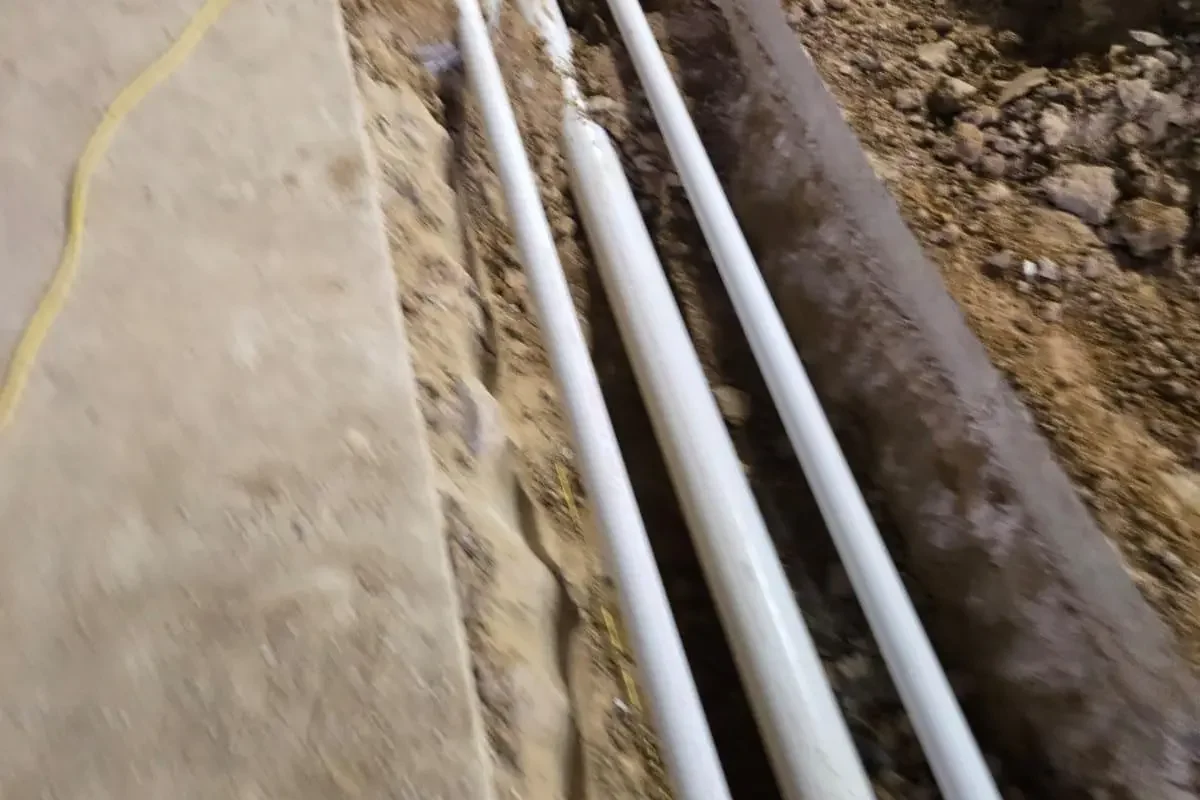
A trench is a narrow excavation made in the ground, typically deeper than it is wide, used for installing underground utilities like sewer lines, water pipes, or electrical conduits. In residential sewer projects, trenches allow access to buried pipes for repairs, replacements, or new installations.
Trenching plays a crucial role in ensuring plumbing systems function correctly and safely. It’s often performed by licensed professionals who use specialized equipment to dig according to local codes and safety standards.
Here are key points to understand:
- Purpose: Trenches provide a path for underground utility lines, especially sewer and drainage systems.
- Depth and Width: These vary depending on the project, but sewer trenches are usually deep enough to ensure proper slope and freeze protection.
- Types of Trenches: Methods include traditional open trenching, trenchless pipe bursting, and horizontal directional drilling. Each has its pros and cons based on property type and repair needs.
- Trenching Equipment: Tools range from manual shovels for small jobs to excavators and trenchers for larger projects.
- Trenching Service in Houston: If you’re dealing with sewer issues in the Houston area, hiring a local expert in trenching services ensures compliance with city regulations and minimizes property disruption.
- Understanding trenches helps homeowners better plan for and manage sewer line repairs or installations.

The Different Types of Trenches: An Overview
Trenches serve a wide range of purposes across various industries and environments. Whether used in construction, environmental management, or military defense, trenches are essential for accessing, protecting, or channeling materials and forces below the surface.
Understanding the types of trenches helps provide context to their applications, from everyday utility projects to historical battlefields.
Here’s a brief overview of the most common types of trenches:
- Utility Trenches: Used to install and maintain underground infrastructure like water pipes, sewer lines, gas lines, and electrical cables.
- Environmental Trenches: Designed for controlling erosion, managing stormwater runoff, or containing contaminated materials in landfills and industrial sites.
- Military Trenches: These are defensive structures used in warfare to protect soldiers from enemy fire. They gained prominence during the early 20th century.
- Agricultural Trenches: Used for irrigation or drainage to improve crop yield and soil health.
- Geotechnical Trenches: Excavated for soil testing and analysis during construction planning.
These types of trenches demonstrate their versatility across different fields and time periods.
Excavation Trenches: Techniques and Best Practices
Excavation trenches are essential for construction, utility installation, and infrastructure repair. These trenches are carefully dug to provide access to underground systems or to lay foundations. Following proper techniques and safety practices is crucial to prevent collapses, injuries, or project delays. Understanding the types of trenches used and the methods to support them ensures both efficiency and worker safety on-site.
Key practices and concepts include:
- Types of Trenches: Depending on the project, trenches may include utility trenches, foundation trenches, drainage trenches, and support trenches—secondary trenches that provide additional access or reinforcement during large excavations.
- Trench Shoring: The process of supporting trench walls with steel, hydraulic, or timber systems to prevent collapse.
- Sloping and Benching: Excavation techniques that angle or step the trench walls to reduce the risk of cave-ins.
- Trench Shielding: Using trench boxes or shields to protect workers without supporting the trench walls directly.
- Soil Classification: Identifying soil types helps determine the safest excavation method.
- Access and Egress: Ladders or ramps must be placed within 25 feet of workers in trenches deeper than 4 feet.
Applying the right techniques for each of the types of trenches, especially when involving support trenches, enhances safety and project success.
Trench Types in Construction: From Foundations to Drainage
In construction, trenches are essential for laying foundations, installing utilities, and managing water flow. A trench is a long, narrow excavation that varies in depth and width depending on its purpose. Understanding the types of trenches used in construction helps homeowners and professionals choose the right method for safety, efficiency, and function.
Here are key types of trenches commonly used in construction:
- Foundation Trenches: Dug around the perimeter of buildings to support footings and distribute structural loads.
- Utility Trenches: Used for installing water, sewer, gas, or electrical lines underground.
- Drainage Trenches: Also called French drains, these redirect groundwater away from structures to prevent flooding or erosion.
- Sloped Trenches: Designed with angled sides to prevent collapse in deep excavations.
- Shored Trenches: Use support systems to keep trench walls from caving in, especially in unstable soils.
It’s also useful to note that types of trenches in geography—such as oceanic trenches—are large-scale natural formations formed by tectonic activity. Though different from construction trenches, they share the core concept of being long, narrow depressions.
Understanding trench types ensures safe, code-compliant, and efficient project execution across residential and commercial construction.

Trench Safety: Guidelines and Precautions to Consider
Trenching is a common construction activity, but it carries serious safety risks if not handled properly. Collapses, falls, and hazardous atmospheres can cause severe injuries or fatalities. That’s why strict safety practices are essential when working in or around trenches.
Understanding the difference between excavation vs trenching is key. Excavation refers to any removal of earth, while trenching is a specific type of excavation that is deeper than it is wide and typically narrow.
Key trench safety guidelines include:
- Protective Systems: Use sloping, shoring, or shielding to prevent cave-ins.
- Access and Egress: Trenches over 4 feet deep must have ladders or ramps within 25 feet of all workers.
- Atmospheric Testing: Trenches deeper than 4 feet in potentially hazardous environments require air quality monitoring.
- Soil Analysis: Knowing the type of soil helps determine proper protective measures.
- Daily Inspections: A competent person must inspect trenches daily and after weather events.
Proper trench safety ensures worker protection and compliance with OSHA standards on today’s job sites.
Innovations in Trench Design: Technology and Sustainability
Modern trench design has evolved significantly with advancements in technology and a growing focus on sustainability. Traditional trenching methods often involved large-scale excavation that disrupted landscapes and wasted resources. Today, innovations aim to reduce environmental impact, improve efficiency, and enhance safety.
One historical reference point is reserve trenches, used during World War I as backup defensive lines. While primitive by today’s standards, they laid the foundation for strategic underground planning—something now echoed in modern infrastructure projects.
Key innovations in trench design include:
- Trenchless Technology: Methods like pipe bursting and horizontal directional drilling allow for underground utility installation without extensive surface disruption.
- Smart Sensors: Embedded monitoring devices track trench stability, water levels, and pipe conditions in real-time.
- Eco-Friendly Materials: Recycled and biodegradable materials are now used for trench reinforcement and lining.
- 3D Mapping & GPS: Advanced mapping helps plan trench routes more accurately, minimizing risk and material use.
- Water Management Systems: Integrated drainage designs reduce runoff and promote groundwater recharge.
These innovations not only make trenching safer and more efficient but also enhance various types of trenches in construction, supporting sustainability in infrastructure and utility development.

Transform Your Project with Professional Trenching and Tunneling Services
Whether you’re laying utility lines, building a foundation, or managing drainage, hiring Professional Trenching and Tunneling Services can streamline your construction project. These services ensure that trenches are dug accurately, safely, and efficiently, reducing risks and delivering long-lasting, code-compliant results.
From digging foundation trenches to installing deep utility tunnels, professionals ensure precise and secure excavation tailored to your site conditions and project needs.
Key benefits of Professional Trenching and Tunneling Services include:
- Expert Planning: Technicians assess soil types, depth requirements, and safety measures before any digging begins.
- Specialized Equipment: Access to trenchers, boring machines, and safety systems improves efficiency and accuracy.
- Compliance and Safety: Teams follow OSHA standards to avoid hazards like collapses or underground utility strikes.
- Custom Solutions: Whether it’s shallow surface trenches or complex tunneling beneath roads, solutions are tailored to minimize disruption.
- Preservation of Infrastructure: Techniques like vacuum excavation protect nearby structures and landscapes.
Professional Trenching and Tunneling Services are a smart investment for lasting, high-quality results in residential and commercial projects.
Need Help Now? Call Trenching Service now (832) 455-6721
Conclusion: The Future of Trenching in Various Industries
As technology advances and sustainability becomes a priority, the future of trenching looks more efficient, safer, and environmentally responsible.
Innovations in equipment, smart monitoring, and trenchless methods are transforming how industries approach underground work.
Understanding the different types of trenches—from utility and foundation to drainage and communication—is key to selecting the right approach for any project. As demand grows, trenching will continue to evolve across construction, infrastructure, and environmental sectors.
Frequently Asked Questions About types of trenches
How many types of trench are there?
There are several types of trenches, including utility trenches, foundation trenches, drainage trenches, and in military contexts, fire trenches, communication trenches, and reserve trenches, each serving specific purposes.
What are the 4 types of trench collapse?
The four types of trench collapse are slough-in, wedge failure, bell-bottom failure, and heaving or boiling. Each results from different soil pressures, water conditions, or structural weaknesses in the trench walls or base.


