• Your Trusted 24 Hours Service Provider!

Author Archives: tgaber

Trench Digger: Definition, Uses, and Benefits

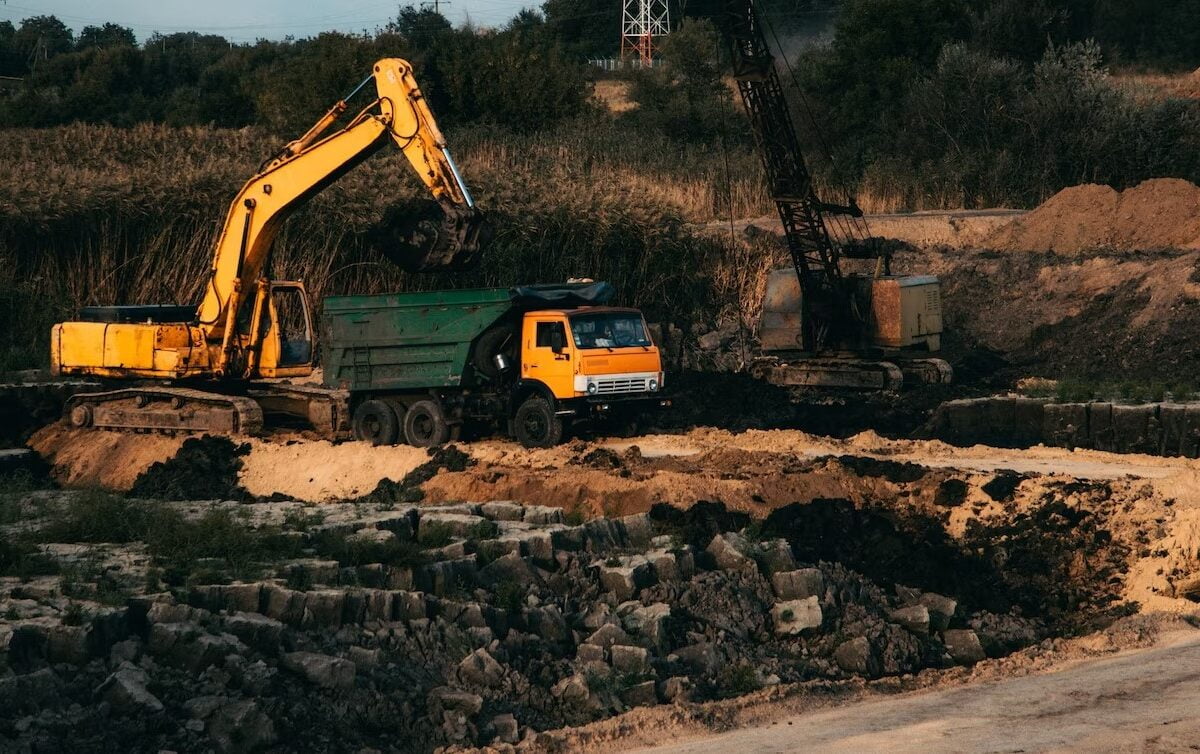
A trench digger is a heavy-duty machine designed to excavate trenches quickly and efficiently. It is commonly used in construction and utility works to install pipelines, cables, and drainage systems. The trench digger is equipped with a powerful hydraulic system that allows it to dig into various types of soil.

It typically consists of a bucket attached to the end of a long arm, which is controlled by an operator.

The operator sits in a cabin situated on top of the machine, providing a clear view of the excavation area. Trench diggers are essential for large-scale projects where digging trenches manually would be time-consuming and labor-intensive.

Their mechanized operation enables them to complete the task in a fraction of the time, increasing productivity on construction sites.

trencher for rent near me

trench digger

A trench digger, also known as a trencher, is a powerful machine designed to excavate trenches quickly and efficiently. It is commonly used in construction projects where the creation of narrow trenches is necessary, such as laying underground utilities or installing irrigation systems.

The trench digger is equipped with a rotating digging chain or blade that cuts through the soil while simultaneously removing the excavated material from the trench. It is typically mounted on tracks or wheels, allowing for greater mobility and maneuverability on various terrains.

With its adjustable depth control, the trench digger can easily create trenches of different depths, ensuring accuracy and precision in the construction process.

Moreover, its robust design and powerful engine enable it to effortlessly handle tough soil conditions and complete the excavation task in a fraction of the time it would take manual labor.

Overall, the trench digger is a valuable piece of machinery that significantly improves productivity and efficiency in construction projects requiring trench excavation.

Trenching Service In Houston

ditch witch trencher

Ditch Witch is a highly renowned brand that offers top-quality trenchers for digging precise and efficient trenches. These trenchers are specially designed for various applications in industries such as construction, landscaping, and utility installation.

With their robust build and advanced features, Ditch Witch trenchers provide reliable performance even in challenging terrains. Equipped with powerful engines and cutting-edge technology, these machines ensure maximum productivity and durability.

The ditch witch trencher is engineered to provide precise and clean trenching, allowing for smooth and seamless operations. The user-friendly controls and ergonomic design make it easy for operators to handle and maneuver the trencher.

Ditch Witch also prioritizes safety by incorporating safety features such as a sturdy frame, shields, and protective barriers. Additionally, their trenchers are low maintenance and designed to reduce downtime, ensuring continuous workflow.

In conclusion, the Ditch Witch Trencher is a reliable and efficient solution for trenching needs, offering exceptional performance and productivity with the utmost attention to safety and durability.

trench benching requirements

trench benching requirements is an important safety measure in excavation work to prevent soil cave-ins and related accidents.

OSHA (Occupational Safety and Health Administration) has set specific requirements for trench benching to ensure worker safety.

According to OSHA guidelines, a trench must have protective systems in place if the excavation exceeds a depth of 5 feet.

Trenches with a depth less than 20 feet must have sloping or benching to protect workers from cave-ins.

The slope or bench width should be no less than 2 feet wide and have a slope ratio of 1.5:1 (horizontal to vertical).

However, if the depth exceeds 20 feet, a registered professional engineer should design the protective systems.

Additionally, the materials used for sloping or benching should be sturdy enough to prevent any collapses and provide adequate protection.

Compliance with these trench benching requirements is crucial in maintaining a safe work environment and preventing serious accidents in excavation projects.

Call Us Now (832) 720-0670

trench benching requirements

Trench benching requirements are essential safety measures that must be followed in excavation projects to prevent soil collapse and protect workers’ lives.

OSHA (Occupational Safety and Health Administration) regulations provide clear guidelines on the construction of protective systems, such as trench benching.

The primary purpose of trench benching is to stabilize the sides of a trench by creating steps or horizontal platforms.

These benches help to prevent soil movement and reduce the risk of cave-ins.

The depth, width, and spacing of benches depend on various factors, including the type of soil, moisture content, and trench depth.

Excavation operators must ensure that the benches are constructed according to the required specifications and that workers are provided with appropriate protective gear and training.

Compliance with trench benching requirements is not just a legal obligation; it is a moral responsibility to ensure the safety and well-being of those involved in excavation activities.

By strictly adhering to these requirements, contractors can significantly minimize the potential hazards associated with trenching operations and create a safer working environment for all.

trench benching

excavation benching requirements

Excavation benching requirements refer to the specifications necessary to ensure safe and stable excavations.

When excavating in soil, it is important to design and construct benches or steps to prevent cave-ins and slides.

The proper benching dimensions are determined based on the type of soil and the depth of the excavation.

The requirements are intended to reduce the risk of accidents and protect the workers on the site. The width and height of the bench depends on factors such as the angle of repose, soil classification, and the water content.

In cohesive soils, benching is usually required for slopes steeper than 1.5:1, while in granular soils, slopes steeper than 3:1 may necessitate benching.

It is essential to carefully inspect the soil conditions and follow the recommended guidelines to establish the appropriate benching requirements.

Failure to comply with these standards could result in instability, collapse, and potential injury or loss of life.

Therefore, it is crucial for all parties involved in excavation projects to prioritize and adhere to the specified benching requirements.

Trenching Service In Houston

excavation benching requirements

Excavation benching requirements refer to the safety guidelines and practices that need to be followed during the excavation process.

Benching involves creating a series of horizontal steps or ledges in the excavation wall to prevent the collapsing of soil and to ensure a safe and stable working environment for the workers.

The purpose of benching is to reduce the risk of cave-ins and to provide support to the sidewalls.

The requirements for benching depend on various factors, such as the depth of the excavation, soil conditions, and nearby structures.

Generally, the depth of the excavation determines the distance between each bench, with deeper excavations requiring more frequent and wider benches.

The soil conditions also play a crucial role in determining the type of benching required. For example, cohesive soils may require more extensive benching compared to non-cohesive soils.

Moreover, nearby structures and their characteristics may influence the benching requirements to ensure structural stability.

Compliance with these benching requirements is essential to ensure the safety and protection of the workers involved in the excavation process.

sloping benching shoring

excavation benching requirements

Excavation benching refers to the process of creating horizontal steps or platforms in the walls of an excavated area to prevent the collapse of soil or rock.

This technique is commonly employed in construction and engineering projects to ensure the stability and safety of excavations.

The requirements for excavation benching are guided by industry standards and regulations, which aim to minimize the risk of accidents and structural failures.

The depth and spacing of the benching steps are determined by factors such as the type and stability of the soil or rock, the height of the excavation, and the presence of groundwater.

In general, the benching should have a width that is at least equal to the height of the excavation, with step heights typically ranging from 1 to 1.5 meters.

Additionally, the slopes created by the benching should not exceed certain angles to maintain stability.

The exact specifications for excavation benching may vary depending on the specific project and location, but adherence to these requirements is crucial to ensuring a safe and successful excavation process.

Any deviations from the recommended benching standards should be carefully considered and approved by qualified professionals to mitigate potential risks.

excavation benching

benching sloping shoring and shielding

Benching, sloping, shoring, and shielding are critical risk control measures that must be employed when working in excavations or trenches.

These measures are implemented to ensure the safety of workers and prevent the collapse of the surrounding soil.

Benching involves cutting the sides of an excavation into a series of horizontal steps or benches to reduce the risk of vertical collapse.

Sloping, on the other hand, entails creating an inclined surface by cutting back the excavation walls at an angle.

This technique is particularly useful when the soil is unstable or unsupported. Shoring involves the use of structural supports such as shores, posts, and beams to prevent the collapse of excavations.

Shores are vertical supports that are inserted during the excavation process and provide immediate support to the sides of the trench.

Shielding, finally, involves the use of protective systems such as trench boxes, which are large, steel structures that provide vertical and horizontal protection to workers inside excavations.

It is crucial to select the appropriate risk control measure depending on the soil conditions, excavation depth, and proximity to other structures.

Failure to implement these measures can result in catastrophic accidents and injuries.

Therefore, it is paramount for workers and supervisors to be knowledgeable about benching, sloping, shoring, and shielding techniques and to strictly adhere to safety protocols when working in trenches or excavations.

sloping benching shoring

Sloping benching shoring is a method used to stabilize soil during excavation projects or construction sites where the slope of the ground is steep. It involves creating a series of small, sloping terraces or benches along the sides of the excavation.

This technique helps prevent the soil from collapsing and eroding away, which can cause serious safety hazards for workers and damage to nearby structures.

Sloping benching shoring is typically used in areas where the soil is not stable enough to support vertical walls or where the excavation will be deeper than the height limit for sloping alone.

The design and construction of sloping benching shoring systems must adhere to specific guidelines and safety standards to ensure their effectiveness.

Factors such as soil type, groundwater levels, and the presence of adjacent structures need to be taken into consideration.

Therefore, it is crucial to consult with a qualified engineer or excavation contractor to determine the appropriate slope angle, bench width, and overall design for the specific project.

By implementing sloping benching shoring, workers can carry out their tasks safely, minimizing the risk of accidents and ensuring project success.

Shoring Excavation And Its Importance For Projects

sloping benching shoring

Sloping, benching, and shoring are important techniques used in construction to ensure the stability and safety of excavations. Sloping involves cutting the sides of the excavation at an angle to prevent collapse.

The angle of the slope depends on various factors such as soil type, weather conditions, and depth of the excavation.

Bench sloping involves creating horizontal steps or benches within the excavation, which further enhance stability.

This technique is particularly useful when the soil is prone to slippage or when the excavation is of considerable depth.

Shoring is a more advanced technique that involves supporting the sides of the excavation with various materials like timber, steel, or hydraulic shores.

Shoring provides temporary support to prevent cave-ins and is typically used in deeper excavations or where the soil is loose or unstable.

These techniques are crucial in preventing accidents and ensuring the safety of workers and surrounding properties during excavation processes.

sloping shoring and shielding

Benching, sloping, shoring, and shielding are all crucial practices in the field of construction and excavation to ensure the safety of workers and prevent potential accidents.

Benching involves the creation of a series of steps or platforms in excavation to eliminate the risk of cave-ins.

Sloping refers to the process of cutting back the sides of an excavation to create a slope or angle that reduces the likelihood of soil or rock collapsing. Shoring is the installation of temporary supportive structures such as braces or beams to prevent the collapse of the excavation walls.

Lastly, shielding involves the use of a protective structure, typically made of steel or aluminum, to guard workers from falling soil, rock, or other materials.

Each of these techniques serves a specific purpose in mitigating hazards and ensuring the stability of excavations.

Adhering to proper benching, sloping, shoring, and shielding practices is essential in creating a safe working environment on construction sites.

Exploring the Benefits of shoring benching sloping in Building Projects

Shoring, benching, and sloping are three essential methods used in construction and excavation projects to ensure safety and prevent collapses. These techniques are specifically designed to provide support and stability to the ground during excavation processes, reducing the risk of accidents and injuries.


Shoring refers to the process of installing temporary support systems, such as metal beams or wood planks, to prevent the collapse of soil or other materials around an excavation site. This method is commonly used when the excavation depth is relatively shallow and the soil is loose or unstable. By using shoring, construction workers can create a safe working space around the excavation site, enabling them to carry out their work without the fear of cave-ins.


Benching, on the other hand, involves creating a series of steps or benches in the sides of an excavation. This method is typically used in situations where the soil is moderately stable.

By creating horizontal levels within the excavation, benching allows for a safer working environment by reducing the vertical height of the walls. The steps act as natural barriers against soil movement and provide additional stability.
Sloping is another commonly used method in excavation projects.

With sloping, the sides of an excavation are angled away from the excavation area, forming a stable slope. The angle of the slope depends on various factors, including the type of soil, weather conditions, and the depth of the excavation.

Sloping helps in preventing soil movement and collapses by distributing the weight of the soil across a wider area, reducing the pressure exerted on the excavation walls.


Overall, shoring, benching, and sloping are crucial techniques in ensuring the safety and stability of excavation sites. By implementing these methods, construction workers can work in a secure environment and minimize the risks associated with excavation projects.

benching sloping shoring and shielding

shoring benching sloping

shoring benching sloping are essential techniques that ensure the safety and stability of building projects. These methods are used to prevent soil erosion and cave-ins, especially in excavations that involve deep trenches or underground construction. Shoring involves the use of supports or braces to prevent the collapse of the excavation walls. It is particularly useful in situations where the soil is weak or unstable.

By installing temporary shoring systems, workers can carry out their tasks safely and effectively. Benching, on the other hand, involves creating a series of steps or horizontal levels inside the trench. This not only provides support to the sides of the excavation but also reduces the risk of soil displacement.

Benching is commonly used when the soil is consistent and stable, making it easier for workers to access the excavation. Lastly, sloping refers to the process of cutting back the inclined sides of the excavation to create a safe, stable incline. This technique is typically used when the soil is cohesive and stable enough to maintain its shape without any external support.


Implementing shoring, benching, or sloping techniques offer several benefits in building projects. The most obvious advantage is enhanced worker safety. By facilitating a stable and secure work environment, the risk of accidents is significantly reduced.

This, in turn, increases productivity as workers can focus on their tasks without fear of cave-ins or soil displacement. Another benefit is the protection of surrounding infrastructure. With proper shoring, benching, or sloping, the soil around the excavation remains intact and undisturbed, preventing damage to nearby buildings or underground utilities.

Additionally, these techniques help to minimize disruptions to the general public. By ensuring the stability of excavation sites, traffic congestion and road closures can be avoided, saving time and resources. Moreover, implementing shoring, benching, or sloping techniques demonstrates compliance with safety regulations and standards, mitigating potential legal liabilities and financial penalties.


In conclusion, shoring, benching, and sloping are essential practices in building projects. They not only provide a safe working environment for construction workers but also protect nearby infrastructure and minimize disruptions to the public. By adhering to these techniques, project managers can ensure successful and efficient construction operations while complying with safety regulations.

benching and shoring

benching sloping shoring and shielding

Shoring, benching, and sloping are essential techniques that ensure the safety and stability of building projects. These methods are used to prevent soil erosion and cave-ins, especially in excavations that involve deep trenches or underground construction. Shoring involves the use of supports or braces to prevent the collapse of the excavation walls. It is particularly useful in situations where the soil is weak or unstable. By installing temporary shoring systems, workers can carry out their tasks safely and effectively. Benching, on the other hand, involves creating a series of steps or horizontal levels inside the trench. This not only provides support to the sides of the excavation but also reduces the risk of soil displacement. Benching is commonly used when the soil is consistent and stable, making it easier for workers to access the excavation. Lastly, sloping refers to the process of cutting back the inclined sides of the excavation to create a safe, stable incline. This technique is typically used when the soil is cohesive and stable enough to maintain its shape without any external support.


Implementing shoring, benching, or sloping techniques offer several benefits in building projects. The most obvious advantage is enhanced worker safety. By facilitating a stable and secure work environment, the risk of accidents is significantly reduced. This, in turn, increases productivity as workers can focus on their tasks without fear of cave-ins or soil displacement. Another benefit is the protection of surrounding infrastructure. With proper shoring, benching, or sloping, the soil around the excavation remains intact and undisturbed, preventing damage to nearby buildings or underground utilities. Additionally, these techniques help to minimize disruptions to the general public. By ensuring the stability of excavation sites, traffic congestion and road closures can be avoided, saving time and resources. Moreover, implementing shoring, benching, or sloping techniques demonstrates compliance with safety regulations and standards, mitigating potential legal liabilities and financial penalties.


In conclusion, shoring, benching, and sloping are essential practices in building projects. They not only provide a safe working environment for construction workers but also protect nearby infrastructure and minimize disruptions to the public. By adhering to these techniques, project managers can ensure successful and efficient construction operations while complying with safety regulations.

benching sloping shoring and shielding

benching and shoring

Shoring, benching, and sloping are essential techniques used in construction and excavation projects to ensure the safety of workers and prevent soil collapse or cave-ins. Shoring involves the use of support systems such as hydraulic jacks, beams, or shores to prevent the collapse of the walls of an excavation site. This technique is particularly necessary when working in deep excavations or in areas with unstable soil conditions. Bench excavation, on the other hand, involves cutting the sides of the excavation site into a series of steps or benches to create stability and prevent collapsing.

By utilizing this method, the risk of soil movement is greatly minimized. Lastly, sloping refers to the process of cutting the sides of the excavation to form a slope, which allows for the gradual descent of the soil. This technique is commonly used when working in shallower excavations with soil that has better stability. Both benching and sloping help to create safe and secure working conditions by maintaining the integrity of the excavation site.


When it comes to construction and excavation projects, safety should always be the top priority. The use of shoring, benching, and sloping techniques plays a crucial role in minimizing the risk of accidents and injuries.

By providing stability and reinforcement to the excavation walls, shoring ensures that workers are protected from potential collapses or cave-ins. Bench excavation, on the other hand, reduces the likelihood of soil movement and provides a stable working platform for the workers.

Sloping, similarly, mitigates the dangers of excavation by gradually lowering the sides of the site, reducing the risk of soil instability. These techniques are not only important for the safety of the workers but also for the overall success of the project.

Adherence to strict safety protocols, including the use of shoring, benching, and sloping, demonstrates a commitment to worker welfare and helps to maintain a productive and efficient working environment. Therefore, it is imperative that construction and excavation contractors prioritize the use of these techniques to ensure both the safety of their workers and the successful completion of the project.