• Your Trusted 24 Hours Service Provider!

Author Archives: heba gaber

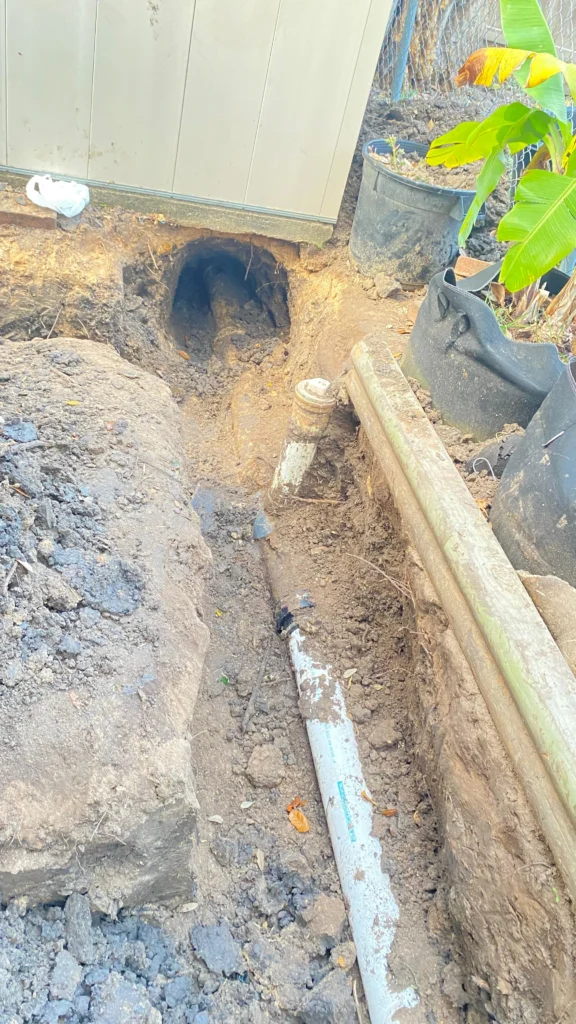
Signs You Need Sewer Line Trenching in Houston Homes

Recognizing the signs you need sewer line trenching in Houston early can be the difference between a controlled project and an emergency disaster. While some issues can be handled with a simple snake or hydro-jetting, others require a more invasive, albeit permanent, solution.

In Houston, where the geography and construction styles are specific, these signs often manifest in ways that are hard to ignore. If you find yourself asking, “How do you know if you have a sewer line problem?” the answer usually lies in the consistency and location of the issues you’re facing.

Why Sewer Line Problems Are Common in Houston

Before diving into the signs you need sewer line trenching in Houston, let’s learn why sewer line problems are common. Houston isn’t just any city; it’s a city built on a unique geological foundation that poses specific challenges for underground utilities.

The Soil Factor

Houston is famous (or infamous) for its “expansive” clay soil. This soil acts like a sponge—it swells significantly when wet and shrinks during our intense summer droughts. This constant movement puts immense pressure on buried pipes, often leading to shifts, bellies, or complete breaks in the line.

Aging Infrastructure

Many of our beautiful historic neighborhoods, like the Heights or Montrose, still rely on clay or cast-iron pipes installed decades ago. These materials have a shelf life, and after 50+ years, they become brittle and prone to root intrusion.

Slab-on-Grade Foundations

Unlike homes in the north with deep basements, Houston homes are predominantly built on concrete slabs. When a sewer line fails beneath a slab, it isn’t just a plumbing issue; it’s a structural concern.

What Is Sewer Line Trenching?

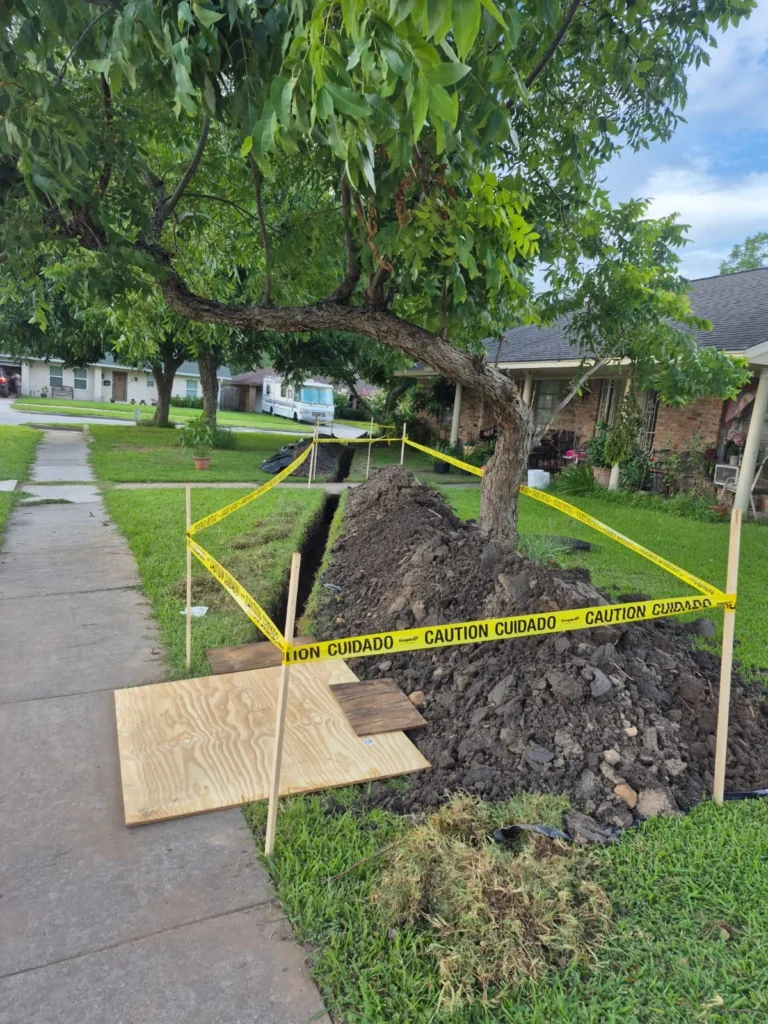
Simply put, sewer line trenching is the process of excavating a path in the ground to access, repair, or perform a full sewer line replacement. While modern technology has introduced “trenchless” options, traditional trenching remains the gold standard for many Houston sewer line trenching services.

It involves digging down to the depth of the pipe, which leads many to ask, “How deep is a sewer line from house?” Generally, in the Houston area, these lines are buried anywhere from 12 inches to 6 feet deep, depending on the slope of your property and the distance to the city’s main connection.

Key Warning Signs of Serious Sewer Line Damage

Recognizing the signs you need sewer line trenching in Houston early can save you thousands in foundation repairs and interior restoration. Here are the red flags that indicate it’s time to call in the professionals for a permanent fix.

Persistent Sewer Backups and Blockages

If you clear a blockage only for it to return a week later, you aren’t dealing with a “clog,” you’re likely dealing with a broken pipe. When a pipe collapses, no amount of chemical cleaner will fix the physical obstruction.

Sewage Odors Inside or Around the Home

A healthy sewer system is airtight. If you catch a whiff of rotten eggs or “sewer gas” in your yard or near your drains, it’s one of the clearest signs your sewer line is clogged or, worse, completely severed.

Frequent Drain Clogs Throughout the House

A single slow sink is a localized problem. However, if your kitchen sink, shower, and toilet are all gurgling at once, the issue is deep in the main line.

Sinkholes or Soft Spots in the Yard

Is there a patch of grass that is greener than the rest? Or perhaps a dip in the lawn that feels “mushy” even when it hasn’t rained? This is often caused by a leaking sewer line saturating the soil from below and is one of the signs you need sewer line trenching in Houston.

Cracks in the Foundation or Interior Walls

Because our pipes often run under the house, a leaking line can wash away the soil supporting your foundation. This leads to settlement, resulting in cracks in your drywall or flooring.

Sewer Line Damage Beneath Slab Foundations

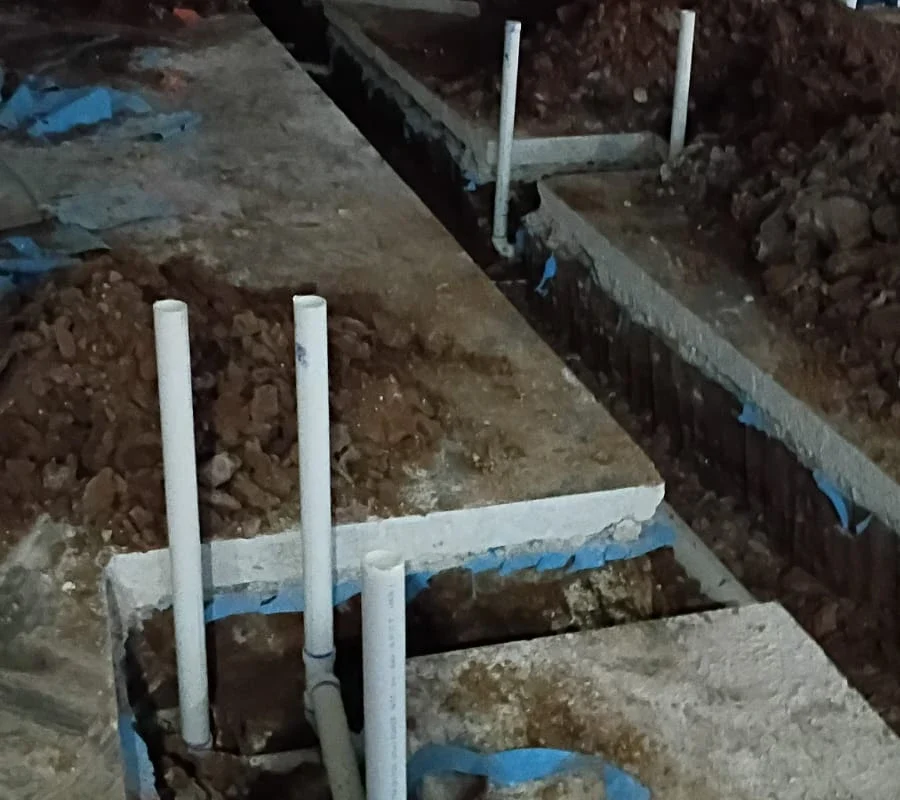
If you notice water seeping up through your floorboards or “hot spots” on your tile, you likely need concrete trenching to access and repair a sub-slab leak.

Recurring Issues After Multiple Repairs

If you’ve spent thousands on “quick fixes for the signs you need sewer line trenching in Houston” over the last two years, it’s a sign that the line has reached the end of its life. Permanent trenching and replacement are often more cost-effective in the long run.

How Houston Soil and Slab Foundations Affect Sewer Lines

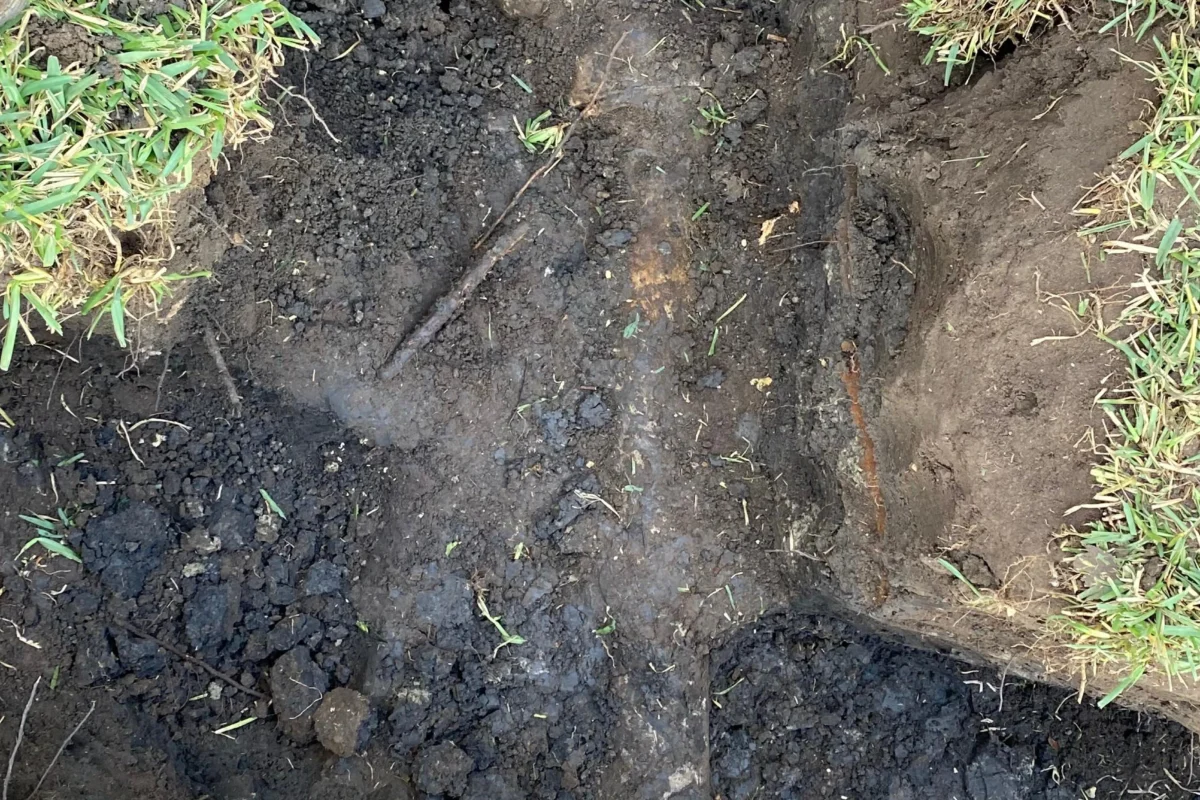
In Houston, the relationship between the soil and your slab is a delicate dance. When we perform trenching for water line installation or sewer repair, we often see “bellies” in the pipe. A belly occurs when the expansive clay soil shifts, causing a section of the pipe to sink. Gravity then fails to move waste along, leading to standing water and eventual blockages.

Furthermore, because many Houston homes are built on slabs, a sewer leak can actually cause the clay soil to expand upward, heaving your foundation and causing thousands of dollars in structural damage. This is why localized expertise is vital; we understand how to navigate the specific density of Texas clay.

You may have heard of “pipe bursting” or “cured-in-place” lining. While these are great tools, they aren’t always the right fit for Houston homes. We recommend traditional trenching when:

  1. The pipe has collapsed: A liner cannot be inserted into a pipe that no longer holds its shape.
  2. Back-pitch or Bellies: If the pipe has lost its slope, it must be physically repositioned—something only trenching can achieve.
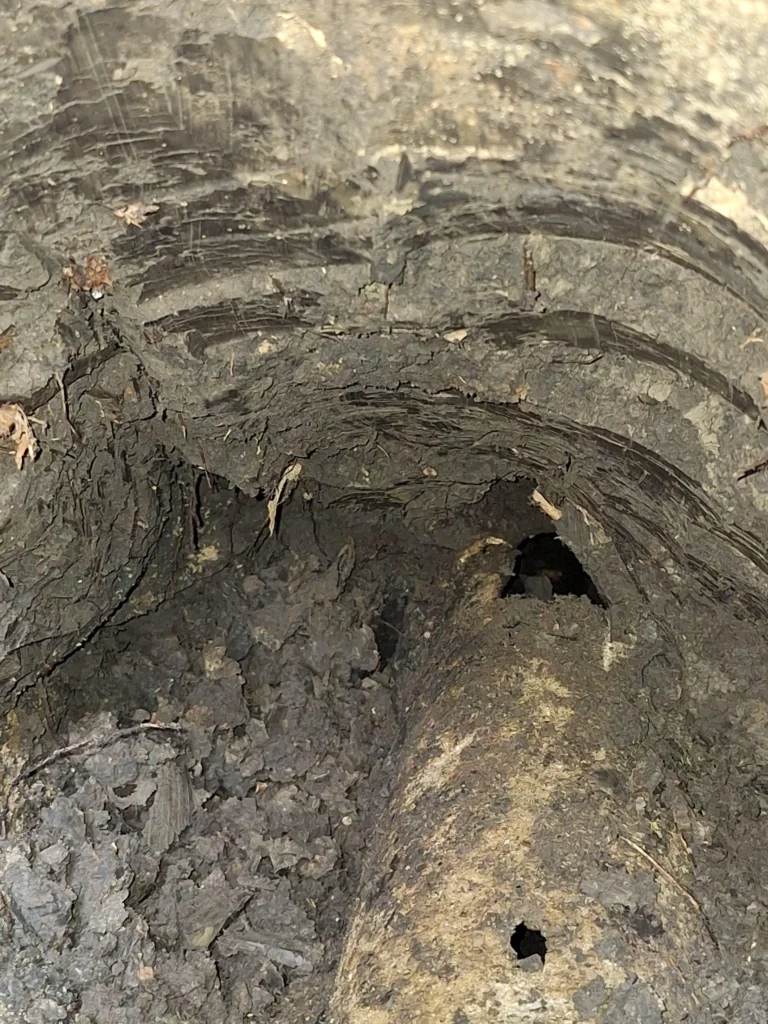
  3. Severe Root Intrusion: If massive oak tree roots have pulverized the pipe, a fresh start is the only way to go.

At Trenching & Tunneling Services, we evaluate every situation carefully. If trenchless works, we’ll say so. If trenching is the better long-term investment, we’ll explain why.

How Professionals Confirm the Need for Sewer Line Trenching

Before recommending trenching to handle the signs you need sewer line trenching in Houston, professionals perform a full diagnostic process.

1. Camera Inspection

A high-resolution sewer camera is inserted into the line to identify:

  • Cracks.
  • Blockages.
  • Root intrusion.
  • Pipe collapse.

This eliminates guesswork and ensures accuracy.

2. Depth and Location Mapping

Technicians determine:

  • How deep is the sewer line from house.
  • Exact damage location.
  • Whether the pipe runs under landscaping, driveway, or slab.

3. Structural Evaluation

If foundation or yard damage is present, the team assesses whether these are signs you need sewer line repair or replacement to prevent further property damage.

Only after a thorough inspection is trenching recommended.

signs you need sewer line trenching in Houston

What Happens If Sewer Line Trenching Is Delayed

Delaying action when there are signs you need sewer line trenching in Houston can lead to:

  • Severe property damage
  • Mold growth
  • Foundation instability
  • Increased repair costs
  • Health hazards from sewage exposure

Small cracks become collapsed pipes. Minor backups turn into full sewage floods.

The earlier the issue is addressed, the more controlled and cost-effective the repair will be.

Conclusion

Recurring clogs, odors, yard damage, and foundation cracks are the signs you need sewer line trenching in Houston. In Houston homes, they often point to underground pipe failure. Your home is likely your biggest investment, and its sewer system is its most vital (and invisible) lifeline. While the idea of trenching service in Houston might seem overwhelming, partnering with the right team makes all the difference. At Trenching & Tunneling, we bring years of local experience, specialized equipment, and a commitment to doing the job right the first time. Whether you need a full trenching sewer line replacement or precise concrete trenching, we are here to help you protect your home.

FAQs

How do I know if trenching is really necessary for my sewer line?

If your pipe has physically collapsed or lost its “grade” (the slope needed for gravity to move waste), trenching is usually the only way to physically realign and replace the system. A camera inspection is the best way to confirm this.

Can sewer line trenching be avoided in some Houston homes?

In some cases, yes. If the pipe is structurally sound but has small cracks, trenchless lining might work. However, given Houston’s shifting soils, trenching is often preferred to ensure the pipe is bedded correctly in stable material.

Is sewer line trenching common in older Houston neighborhoods?

Absolutely. Neighborhoods like Garden Oaks, Riverside Terrace, and Meyerland often require trenching because the original pipes have exceeded their 50-year lifespan and are reacting poorly to the local clay.

What’s the difference between sewer line trenching and trenchless repair?

Trenching involves digging a path to reach the pipe for a full manual replacement. Trenchless repair (like lining) involves pulling a new pipe or liner through the old one without digging a continuous trench. Trenching is more labor-intensive but allows for the correction of soil and slope issues.

Trenching for Water Line Installation: Methods, Costs, and When to Hire a Pro

Planning a new build or dealing with a leaky main? Understanding trenching for water line installation is the first step toward a dry yard and a functional home. From average trenching costs to the nitty-gritty of Houston permits, this guide breaks down everything you need to know about getting water from the street to your tap.

What Is Trenching for Water Line Installation?

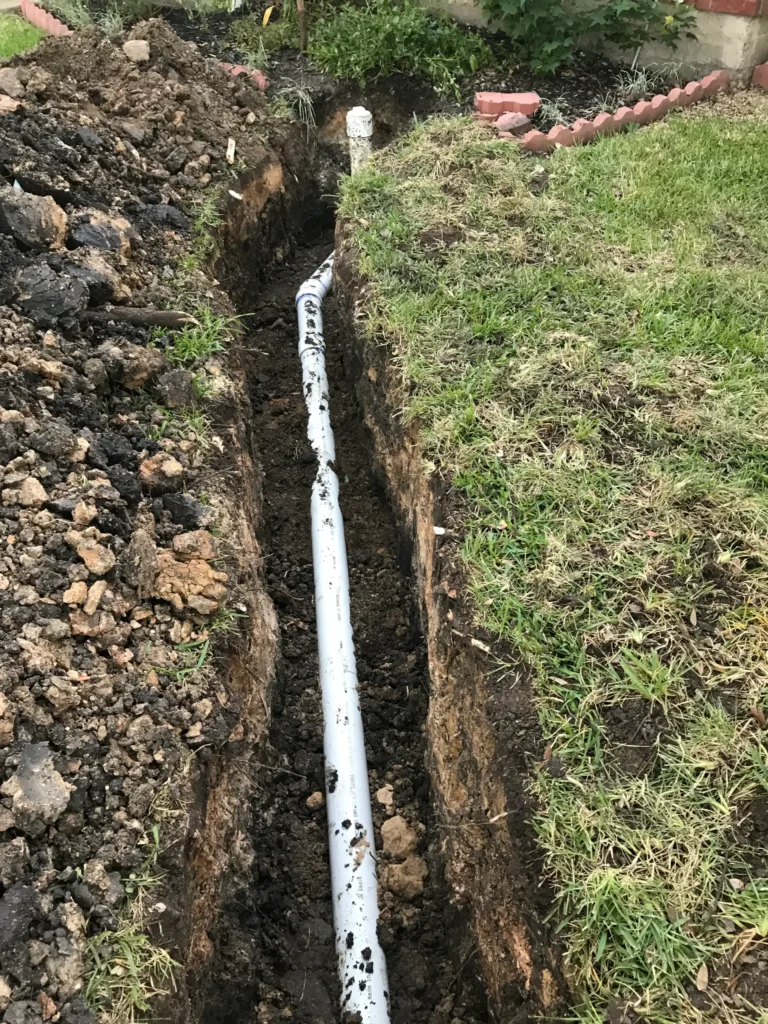
Trenching for water line installation is about digging a narrow, carefully sized hole in the ground where the pipe will be laid. While people often use the terms interchangeably, there is a distinct difference when looking at excavation vs trenching. Excavation is a broad term for moving earth for foundations or pools, whereas trenching is a specific type of excavation where the depth is greater than the width.

There are many different types of trenches.

  • Utility trenching for things such as water, sewers, electric.
  • Shallow installation (service) trenches are used for irrigation systems.
  • Deep mainline installation (municipal meter connection, etc.)
  • Trenchless options (in some cases) for minimal surface disruption.

Water service lines should be installed below the frost line (where appropriate) and below the level of expected traffic loads to protect against accidental damage. Local codes and soil conditions will also affect how trenching service in Houston works.

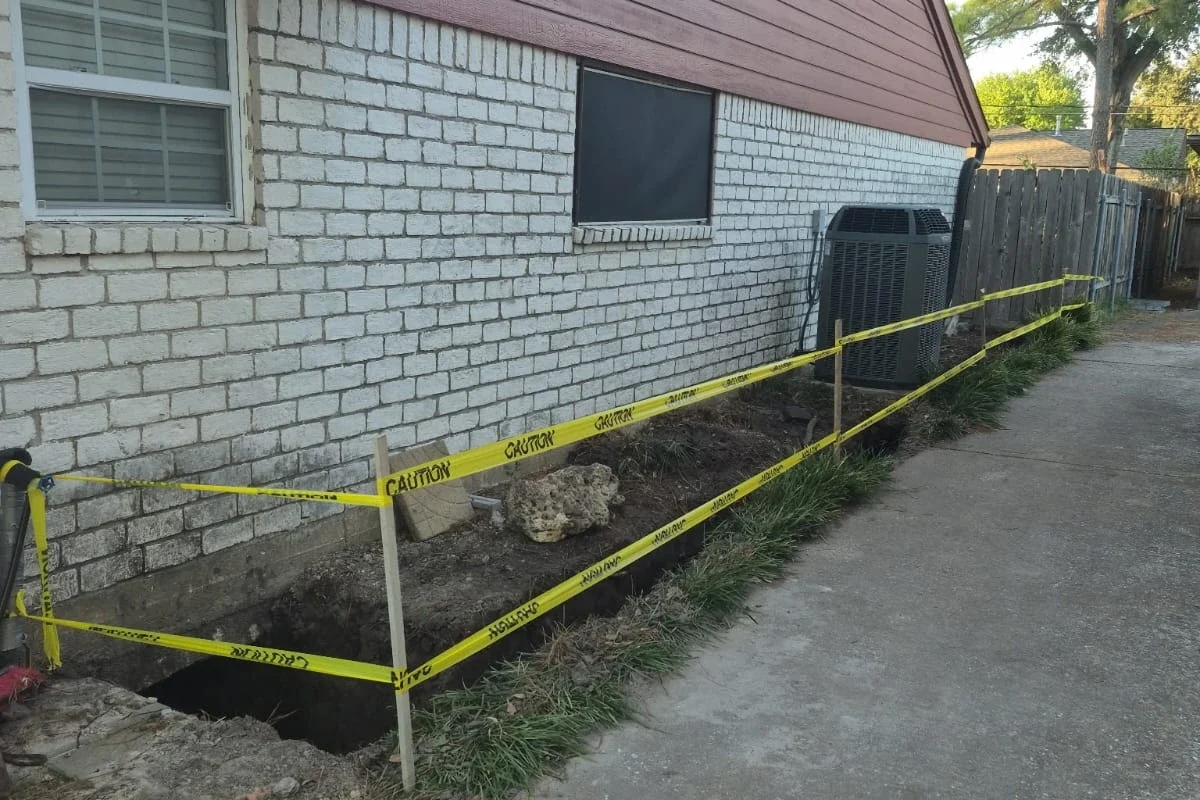
Trenching for Water Line Installation

DIY Water Line Trenching: Step-by-Step Guide

If you’re the adventurous type with a sturdy back, you might consider the DIY route. Here is the basic flow:

  1. Mark the Path: Use stakes and string to map out the shortest, straightest route from the meter to the house.
  2. Call 811: This is non-negotiable. You need to know where your gas, electric, and fiber optic lines are.
  3. Start Digging: Whether by hand or with a rented machine, begin your cut.
  4. Bedding the Pipe: Don’t just throw the pipe on the dirt. A layer of sand or fine gravel acts as a cushion.
  5. Test and Backfill: Once the pipe is laid, test it for leaks before you bury your hard work.

While this seems to be something within your capabilities, there are actually many external factors that add to the complexity of performing a DIY trenching for water line installation. Soil conditions, unexpected subsurface obstacles, and the compliance requirements set forth by local jurisdictions can often hamper your project from being successful.

Essential Equipment Needed for Successful Water Line Trenching

For a small garden, trenching for water line installation, a sharpshooter shovel might do. But for a main line? You’ll need some help:

  • Walk-behind Trencher: Great for tight residential spaces.
  • Mini-Excavator: Best for rocky soil or deeper lines.
  • Pickaxe: For those stubborn “Houston gumbo” clay patches.
  • Compactor: To ensure the ground doesn’t sink months after you’re finished.

Professional contractors use specialized machinery designed to create precise trenches with minimal disruption. This is particularly important for utility trenching, where accuracy protects both the pipe and surrounding systems.

Using incorrect equipment can increase labor time, raise the average trenching cost, and even damage your property.

Cost Estimation for Water Line Installation Trenching: What You Need to Know

Budgeting for trenching for water line installation is where most people get caught off guard. In 2026, the average trenching cost for a standard residential project typically ranges between $1,500 and $3,000.

When calculating your trenching water line cost, keep these factors in mind:

  • Linear Footage: Most pros charge between $5 and $12 per foot for the dig alone.
  • Soil Conditions: Digging in soft sand is one thing; digging through roots or limestone is another.
  • Depth: The deeper you go, the more the price climbs.

When to Choose Professional Water Line Trenching Services

We’re all for a good weekend project, but sometimes the “easy way” ends up costing double. You should skip the DIY and call a trenching service for water line installation in Houston if:

  • The line passes under a driveway or sidewalk.
  • You encounter heavy “caliche” or rock.
  • The trench needs to be deeper than 4 feet (safety risks increase significantly here).
  • You simply don’t have three days to spend in the Texas sun.

Professional crews understand excavation vs trenching requirements and follow strict safety standards. They also ensure compliance with local codes, preventing costly red tags or project delays.

If you’re in Texas, working with a reliable trenching service in Houston ensures your project meets local regulations and soil conditions.

Why Homeowners Trust Our Professional Water Line Trenching Services

At Trenching & Tunneling Services, we’ve built our reputation on precision, safety, and efficiency. We understand that water line installation is more than just digging—it’s about protecting your home’s infrastructure.

Here’s why clients consistently choose us:

  • Advanced trenching equipment for clean, accurate results
  • Experienced crews trained in utility trenching
  • Full compliance with Houston building codes
  • Transparent pricing with no hidden surprises
  • Minimal property disruption

We carefully evaluate soil conditions, underground utilities, and drainage factors before starting any project. Our team ensures the trench depth and alignment meet code while preserving your landscaping as much as possible. Whether it’s a small residential line or a large-scale installation, our Trenching service in Houston delivers dependable results that last.

Conclusion

Water line installation isn’t something you want to redo in five years. The quality of the trench determines the long-term reliability of your plumbing system.

While small projects may seem manageable, trenching for water line installation in Houston often requires specialized equipment, local code knowledge, and professional experience. From understanding the different types of trenches, such as concrete trenching, to estimating the true trenching water line cost, making informed decisions can save you time, money, and stress.

If you want the job done right the first time, Trenching & Tunneling Services is ready to help with expert service you can trust.

FAQs

How deep should the trench be for a water line installation?

In Houston, water lines are typically buried 12 to 18 inches deep. However, in colder climates, they must be below the “frost line” to prevent freezing, which can be 36 inches or more.

How long does it take to trench and install a water line?

A professional crew can usually knock out a standard residential trench and installation in 1 to 2 days. A DIYer should budget a full weekend.

Is there a best time of year to do water line trenching?

In Texas, late fall or early spring is ideal for water line trenching. The ground is easier to work than in the baking summer heat, and you avoid the heavy rain seasons that can turn a trench into a muddy canal.

Are there any permits needed for trenching a water line?

Yes, permits are required for trenching a water line. Most municipalities, including Houston, require a plumbing permit for new water line installations to ensure the work meets local safety codes and is properly inspected.

Concrete Trenching: Expert Methods, Costs, and How to Get the Best Service

Concrete trenching is essential when installing or repairing plumbing, sewer, gas, or electrical lines beneath concrete surfaces. Whether you’re dealing with a driveway, sidewalk, or interior slab, choosing the right method can save time, money, and avoid costly damage. In this guide, you’ll learn what concrete trenching is, the most effective cutting methods, typical costs, DIY considerations, and how to find reliable local services in Houston, tx—so you can make a confident, informed decision before starting your project.

What Is Concrete Trenching? Key Facts You Should Know

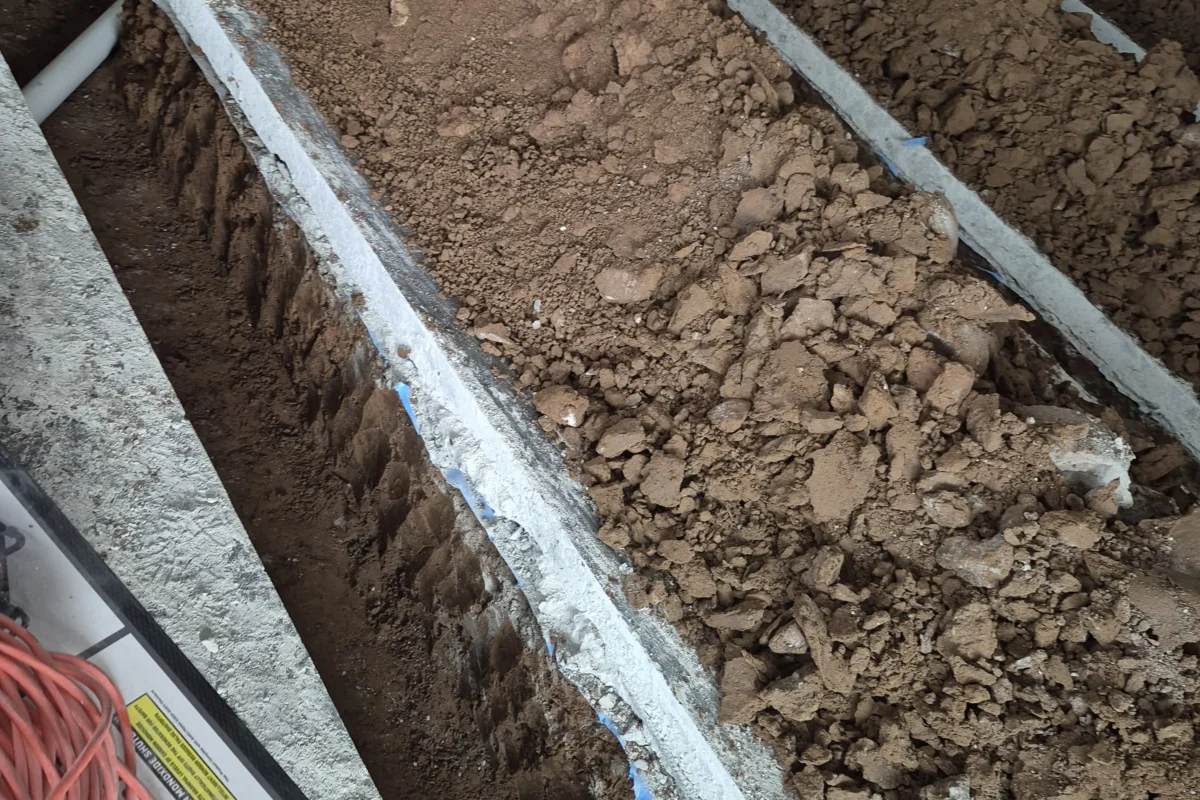
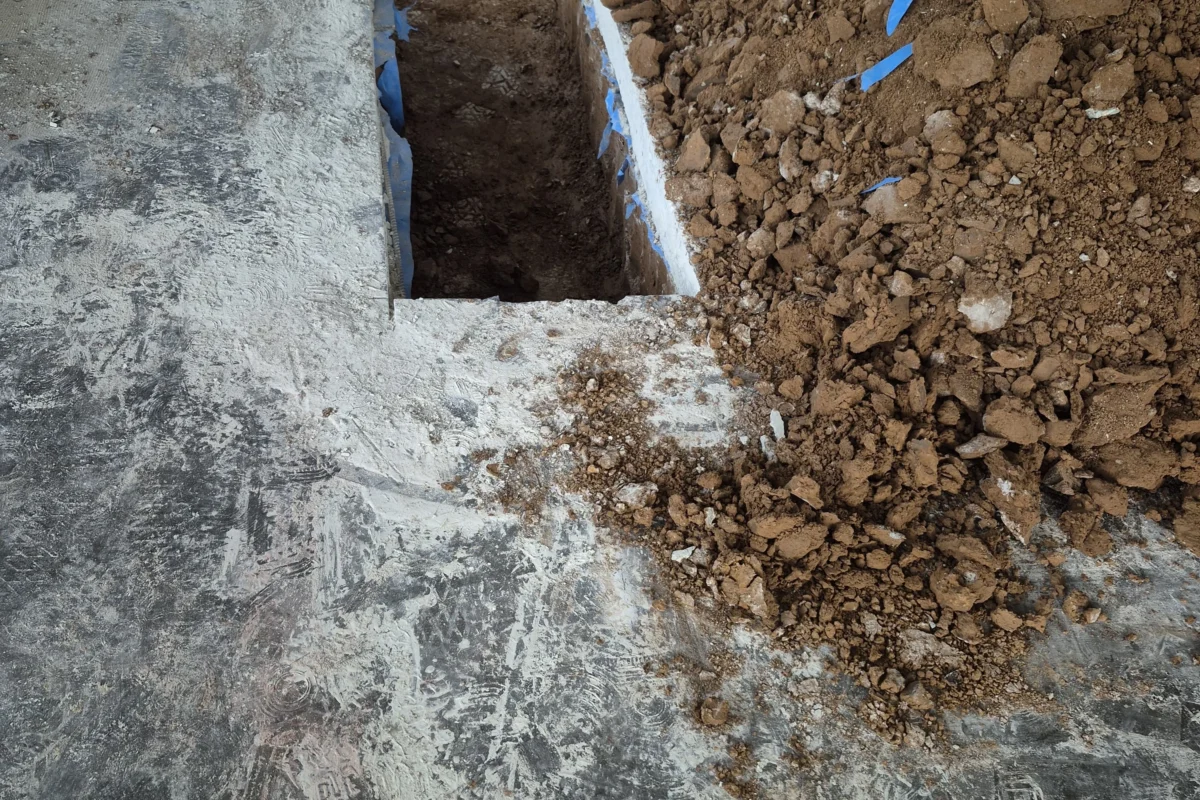
Concrete trenching is the process of cutting and removing a narrow section of concrete to access utilities such as plumbing, sewer, gas, or electrical lines beneath the surface. It is commonly required in homes, commercial buildings, garages, and driveways when underground repairs or installations are needed.

In areas like Houston, where slab foundations are common, this work must be done carefully to avoid structural issues. Hiring a professional Trenching service in Houston ensures the job is completed safely, efficiently, and according to local regulations.

Professionals typically use specialized equipment such as a concrete trencher or advanced saw systems to create precise cuts while minimizing damage to surrounding areas.

Key benefits of concrete trenching include:

  • Accurate access to underground utilities
  • Lower repair costs compared to full slab removal
  • Faster completion time
  • Cleaner and more controlled results

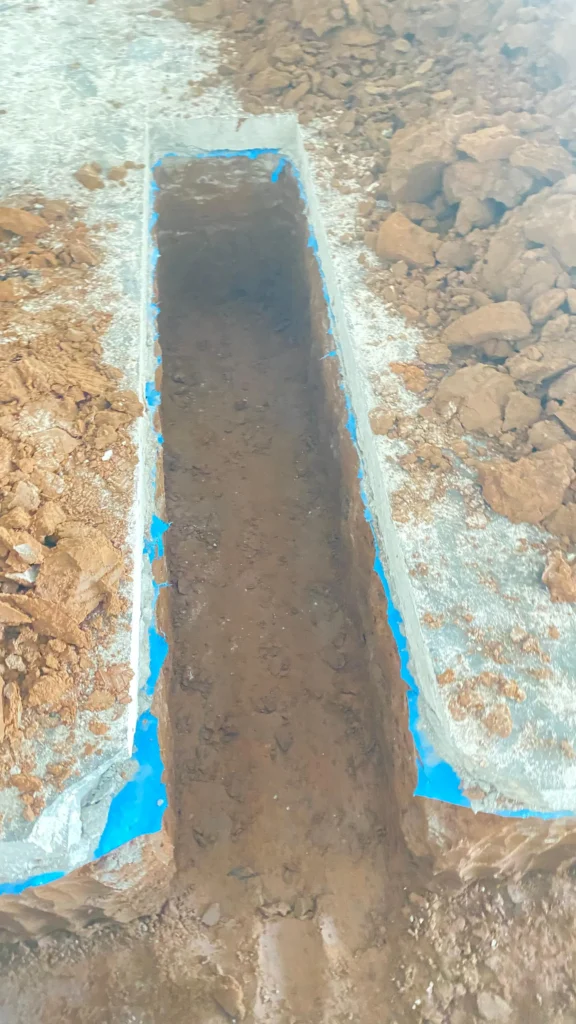
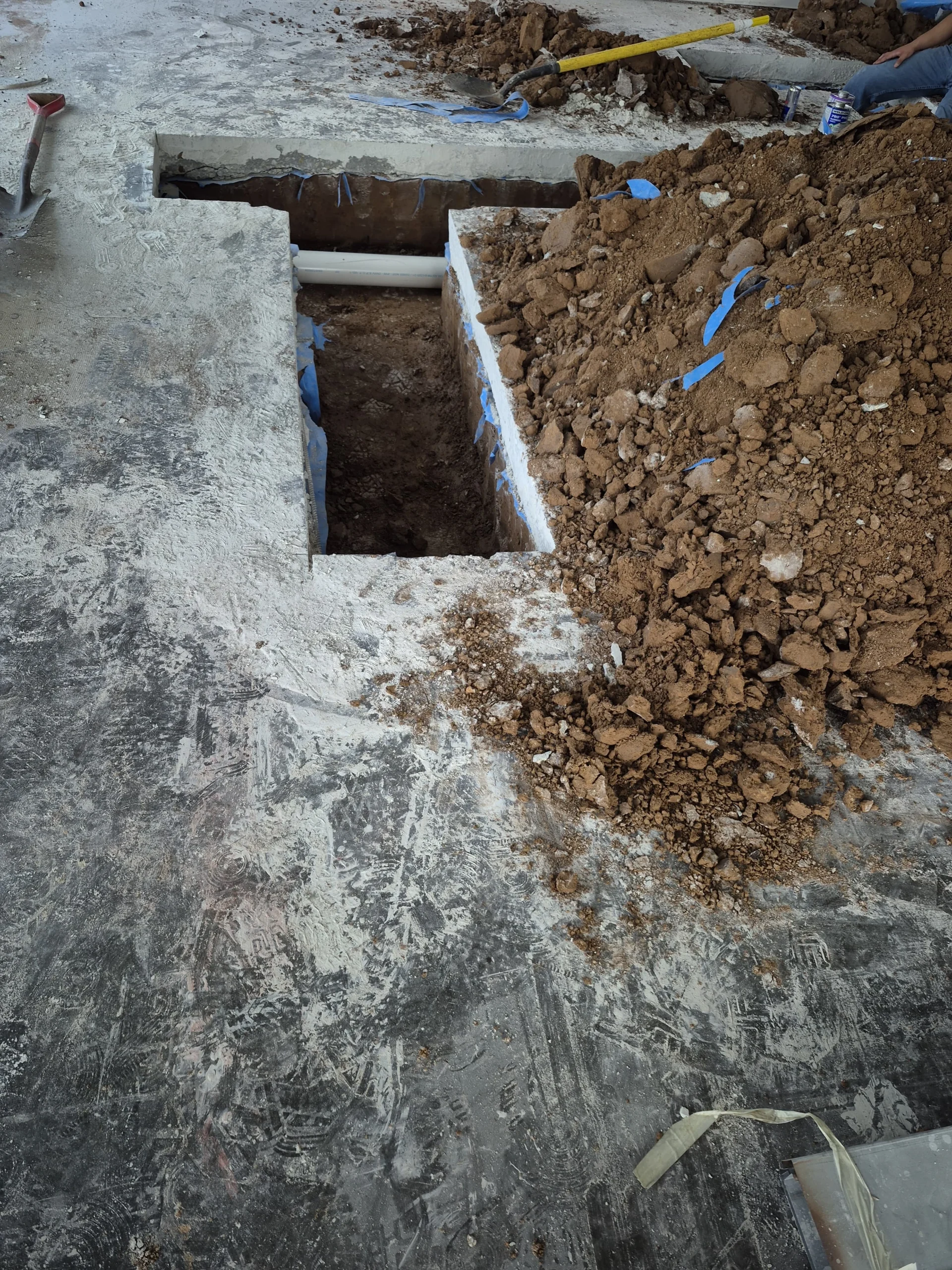
concrete trenching

Explore the Most Effective Concrete Cutting Methods

Different projects require different trenching techniques depending on slab thickness, utility depth, and site conditions. Here are the most common methods professionals use:

1. Walk-Behind Concrete Saw Cutting

This method uses industrial saws with diamond blades to create straight, clean trench lines. It’s ideal for indoor slabs and commercial flooring.

2. Jackhammer and Breaker Tools

After saw cutting, jackhammers remove the concrete section. This combination is cost-effective and widely used.

3. Specialized Machinery

For larger or outdoor projects, contractors may use a concrete trenching machine, which speeds up the process and ensures uniform trench depth.

4. Slab Trenching for Plumbing

In residential properties, trenching concrete slab for plumbing is one of the most common applications, especially for sewer line repairs and bathroom or kitchen renovations.

Each method balances speed, accuracy, and cost depending on project complexity.

How to Cut a Trench in Concrete: A Step-by-Step DIY Guide

DIY trenching is possible for small projects, but it requires proper tools, safety precautions, and patience.

Basic steps:

  1. Mark the trench path using chalk or tape
  2. Wear safety gear (gloves, goggles, mask, ear protection)
  3. Cut the concrete using a diamond saw
  4. Break and remove the slab section
  5. Dig soil beneath the trench
  6. Complete your repair or installation
  7. Refill and re-pour concrete


Many homeowners search for how to make a trench in concrete, but often underestimate the physical effort and technical risk involved.

Another common question is how to dig a trench under concrete, which typically requires tunneling tools and is best handled by professionals to prevent foundation damage.

  • The slab is load-bearing
  • Utilities are deep or unclear
  • The trench exceeds 10 feet
  • Plumbing or sewer lines are involved
  • Permits are required

In these cases, professional services are safer and often cheaper in the long run.

concrete trenching

Cost of Slab Trenching Near You: Factors That Affect the Final Price

Concrete trenching costs vary widely based on several factors. On average, homeowners can expect:

  • $8–$20 per linear foot for basic trenching
  • $1,500–$4,000+ for full projects, including repairs

Main cost factors:

  • Thickness of the concrete slab
  • Length and depth of the trench
  • Type of cutting equipment used
  • Soil conditions
  • Utility type (plumbing, sewer, electrical, gas)
  • Permit requirements
  • Concrete repair and resurfacing

DIY trenching may appear cheaper, but equipment rental, material costs, and potential mistakes often close the price gap.

Finding Concrete Trenching Services in Houston, TX

Houston’s clay soil and slab foundations make professional trenching especially important. Experienced local contractors understand regional building codes, soil movement risks, and proper restoration techniques.

When searching online, many users type:

These searches typically lead to companies offering plumbing-related trenching, slab cutting, and underground utility access.

What to look for in a contractor:

  • Proper licensing and insurance
  • Experience with slab foundations
  • Specialized trenching equipment
  • Transparent pricing
  • Written warranty
  • Positive local reviews

Hiring a trusted Houston-based provider ensures faster response times and compliance with city regulations.


Why Choose Us for Concrete Trenching in Houston?

When it comes to concrete trenching in Houston, experience and local expertise matter. Here’s why homeowners and businesses trust Trenching & Tunneling Services for their projects:

  • Local Houston Experts: We understand the unique challenges of Houston’s clay soil and slab foundations, ensuring every job protects your property’s structural integrity.
  • Licensed and Insured: Our team is fully licensed and insured, providing peace of mind that your project meets all city codes and safety standards.
  • Advanced Equipment: We use state-of-the-art trenching machinery and dust-control technology for precise, clean cuts and minimal disruption.
  • Transparent Pricing: No hidden fees—just honest quotes tailored to your specific needs and project scope.
  • Customer Satisfaction Guarantee: Our job isn’t done until you’re completely satisfied. We pride ourselves on reliable service and excellent local reviews.
  • Comprehensive Services: From small DIY support to large-scale commercial trenching, we offer flexible solutions for every project size.

Ready to get started? Contact us today for a free consultation and estimate to experience the best concrete trenching service Houston has to offer.

Frequently Asked Questions

How long does concrete trenching take?

Most residential projects take 1–2 days. Larger commercial or plumbing-heavy projects may take 3–5 days, including concrete restoration.

Is concrete trenching noisy or dusty?

Yes. Saw cutting produces noise and dust. Professionals typically use water-cutting systems and dust control equipment to minimize disruption.

Does concrete trenching damage foundations?

When performed correctly, no. Skilled contractors cut only the necessary area and avoid structural beams and load-bearing sections.

Do you need permits for concrete trenching?

In many cases, yes—especially for plumbing, sewer, or gas line work. Local contractors usually handle the permitting process for you.

Conclusion

Concrete trenching is a practical solution for accessing underground utilities without removing entire slabs. Understanding the available methods, realistic costs, and safety considerations helps homeowners make better decisions.

While small DIY projects are possible, professional trenching remains the safest option for plumbing repairs and structural areas—especially in slab-foundation cities like Houston.

If your project involves critical utilities or long trench runs, working with experienced local contractors can save time, prevent costly mistakes, and protect your property’s foundation.