
Table of Contents
How much does it cost to trench per foot is one of the most common questions for homeowners and contractors planning underground work. Costs vary based on soil, depth, and project type, but understanding pricing helps you budget accurately and avoid unexpected expenses.
How much does it cost to trench per foot?
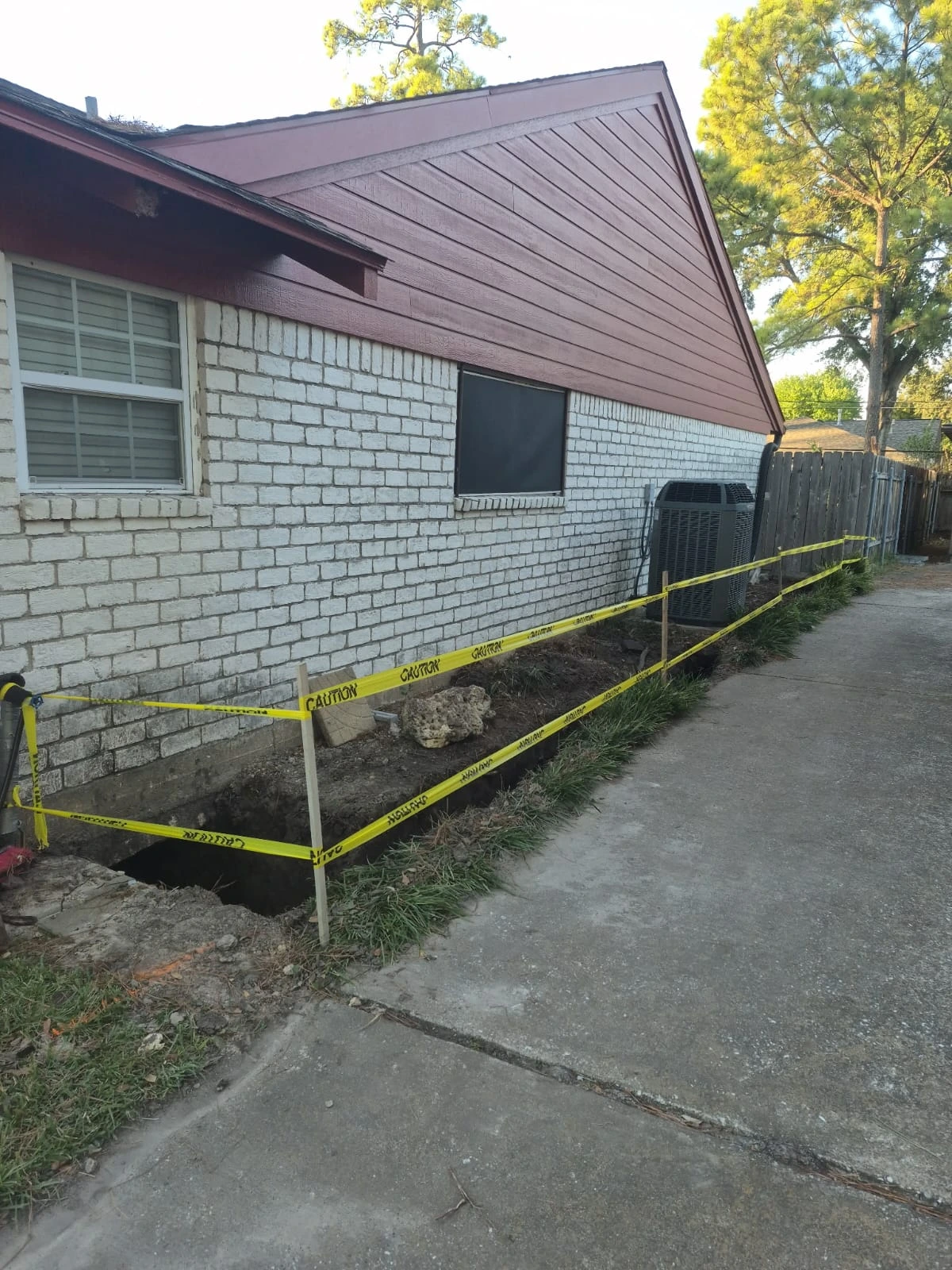
In 2026, most residential projects see rates ranging from $8 to $20 per linear foot. However, this varies significantly based on depth and soil density. For specialized tasks like a Trenching service in Houston, where heavy clay is prevalent, costs often sit at the higher end of that spectrum.
Standard Pricing Models
Professional contractors typically utilize two primary methods to ensure a sustainable business model:
- Minimum Charge: Most reputable firms require a minimum charge of $1,500–$2,500 to cover mobilization and equipment transport.
- Linear Foot Pricing: Once the minimum is met, the standard rate per foot applies.
How much does it cost to trench 100 feet?
For a standard 100-foot run, you can expect to pay between $1,500 and $3,000. If the project is simple and the soil is soft, you might hover near the base mobilization fee. However, if the job requires deeper excavation or passes through rocky terrain, the total will climb. The specific utility being laid also dictates the price; for example, trenching for water line installation typically requires a deeper, more precise cut to reach below the frost line and protect the pipes from freezing.
Cost Breakdown for 100 Feet
- Shallow (12-18 inches): ~$1,500 (Base fee usually applies).
- Medium (24-36 inches): ~$2,000 – $2,500.
- Deep (48+ inches): ~$3,000+.
Trenching cost per foot vs per metre: what’s the difference?
While the US standard is the linear foot, international projects or large-scale civil engineering often use meters. Since one meter is roughly 3.28 feet, a price of $15 per foot translates to approximately $49.20 per meter. When asking how much to trench per foot versus per meter, always clarify the unit to avoid a significant pricing error in your budget.
Why trenching prices vary so much between properties
No two yards are identical. A property with clear, sandy soil is much cheaper to work on than one with heavy roots or boulders. When calculating how much does it cost to trench per foot, contractors look for “obstruction risks” like old concrete or existing underground lines that require careful hand-digging.
| Soil Type | Excavation Difficulty | Estimated Add-on Cost | Best Equipment |
| Sandy/Loose | Low: Very easy to dig; fast progress. | $0 (Base Rate) | Standard Trencher |
| Silt/Loam | Moderate: Stable but requires more power. | +$2 – $5 per foot | Mini-Excavator |
| Heavy Clay | High: Sticky and dense; slows down work. | +$5 – $10 per foot | Heavy Duty Trencher |
| Rocky/Caliche | Very High: Requires specialized teeth or saws. | +$15+ per foot | Rock Saw / Jackhammer |
How trenching costs change based on project complexity
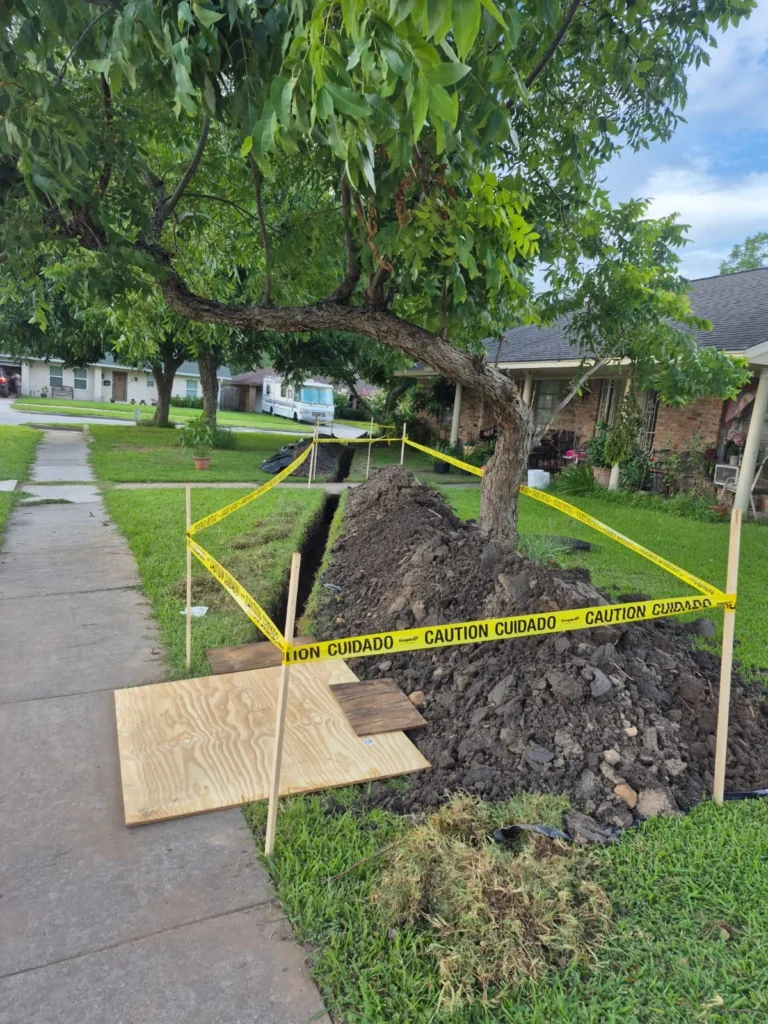
The complexity of a trench isn’t just about length; it’s about what stands in the way. The average trenching cost globally has risen slightly due to equipment maintenance, but site-specific hurdles remain the biggest price driver.
Obstacles and Accessibility
- Tight Spaces: If a large machine cannot fit, smaller, labor-intensive equipment is used, increasing the time on-site.
- Hardscaping: Cutting through a driveway adds significant time and specialized saw equipment to the bill.
- Slope: Steeper grades require specialized stabilization for machinery safety.
Typical trenching costs for residential vs commercial projects
Residential work is often higher “per foot” because the projects are smaller, making the mobilization fee a larger percentage of the total. Commercial projects often see lower rates—sometimes $5 to $12 per foot—because the massive scale allows for high-efficiency machinery and bulk labor rates.
Is trenching the most cost-effective option compared to alternatives?
Trenching vs Alternatives
- Trenching → lower upfront cost
- Boring/tunneling → less surface disruption
When Trenching is the Better Choice
- Open areas
- Short trench distances
- Budget-focused projects
Evaluating how much does it cost to trench per foot helps determine the most suitable method.
Do I need permits before digging a trench?
Yes, almost certainly. Most municipalities require permits for anything deeper than 12 inches to ensure you aren’t interfering with public easements. Furthermore, you must call 811 to mark existing lines. Failure to do so can result in massive fines and repair costs that far exceed the initial project estimate.
How to estimate trenching costs before contacting a contractor
To get a “ballpark” figure, follow these steps:
- Measure the distance: Use a wheel or tape to get the exact linear footage.
- Determine Depth: Check local codes for how deep your specific utility must be buried.
- Check Soil Quality: Identify if you are dealing with soft dirt, heavy clay, or solid rock.
- Factor the Minimum: Remember that even a 10-foot trench will likely cost the $1,500 minimum charge.
By doing this, you’ll understand how much does it cost to trench per foot for your specific geographic area before the first shovel hits the ground.
Value and long-term benefits of professional trenching
Hiring a professional ensures the trench is level, the correct depth for local frost lines, and properly backfilled to prevent future “sinking” or soil erosion. Expert excavation provides the peace of mind that your infrastructure is protected for decades, making the cost a sound long-term investment.
Why Hire Professionals
- Accurate excavation
- Compliance with safety standards
- Reduced risk of damage
Long-Term Benefits
- Durable installations
- Fewer repairs
- Improved efficiency
Many homeowners only realize the importance of professional help when they notice the signs you need sewer line trenching in Houston, such as persistent wet spots in the lawn or slow-draining fixtures. While DIY may seem cheaper, hiring professionals ensures better value when considering how much does it cost to trench per foot over time.
Summary: DIY vs. Professional Trenching
| Risk Factor | DIY Trenching | Professional Trenching |
| Utility Strikes | High Risk: High chance of hitting unmarked gas, water, or fiber lines. | Low Risk: Professionals handle 811 marking and use utility locators. |
| Project Cost | Variable: Low initial cost, but high potential for repair/fine expenses. | Fixed: Higher upfront cost with a $1,500–$2,500 minimum charge. |
| Equipment Safety | Dangerous: Heavy machinery rental carries high injury risk for novices. | Safe: Operated by trained, insured, and experienced crews. |
| Compliance | Uncertain: Risk of fines for missing permits or improper depths. | Guaranteed: Work is done to 2026 local codes and safety standards. |
| Long-Term Quality | Low: Potential for soil sinking, erosion, or pipe damage over time. | High: Precision backfilling and bedding ensure a durable installation. |
Final Thoughts on Trenching Costs
Understanding how much does it cost to trench per foot helps you plan effectively, compare estimates, and make informed decisions. By considering site conditions, project complexity, and long-term value, you can ensure a successful and cost-efficient excavation project.
Frequently Asked Questions
Does the trenching cost include backfilling?
In most professional estimates, standard backfilling with the excavated soil is already factored into the base price. However, if your project requires specialized bedding (such as sand for sensitive pipes) or mechanical compaction to prevent future ground sinking, these services may result in an additional charge.
How deep should a standard utility trench be?
Depth requirements depend on local building codes and the specific utility type being installed. Typically, water lines must be buried below the frost line (often 24–36 inches), while electrical conduit may only require 18–24 inches. Always verify requirements with your local municipality before finalizing your project budget for a specific depth.
What is the cheapest way to dig a trench?
For very short, shallow runs (under 10 feet), a hand shovel is the cheapest method. For anything larger, a walk-behind trencher is the most economical rental. However, for large-scale residential or commercial projects, professional linear foot pricing is usually the most cost-effective per unit of work.